Introduction
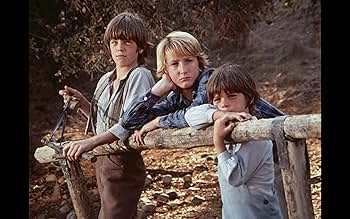
“The Voice of Tinker Jones” is one of the most beloved and inspiring episodes from the first season of Little House on the Prairie. Originally airing in 1974, the episode combines humor, heart, and valuable life lessons while focusing on one of Walnut Grove’s most memorable residents, Tinker Jones. Although he cannot speak, Tinker becomes the central figure in a story that demonstrates the true meaning of kindness, humility, and community spirit.
The episode explores how easily pride and personal ambition can create division among good people and how genuine acts of generosity can help restore unity. Through a simple conflict involving a church bell, viewers are treated to a touching story about human nature, faith, understanding, and the importance of actions over words.
More than just a tale about a small-town disagreement, “The Voice of Tinker Jones” delivers a timeless message that continues to resonate with audiences decades after its original broadcast.
Episode Overview
The story begins when Reverend Alden announces that the Walnut Grove church is in need of a new bell. The existing bell has become inadequate, and a replacement would serve as an important addition to the church and the growing community.
At first, the proposal seems straightforward. The townspeople are enthusiastic about supporting the church and helping improve one of the community’s most important gathering places. However, what begins as a simple act of generosity soon develops into something much more complicated.
As residents discuss donating a bell, disagreements emerge regarding who should provide it and who should receive recognition for the donation. The conversation gradually shifts away from the needs of the church and toward questions of prestige, credit, and public acknowledgment.
Before long, neighbors who usually work together find themselves competing with one another. Pride begins to replace cooperation, and what should have united the town instead creates tension and conflict.
Amidst all the arguments stands Tinker Jones, quietly observing the situation unfold.
Who Is Tinker Jones?
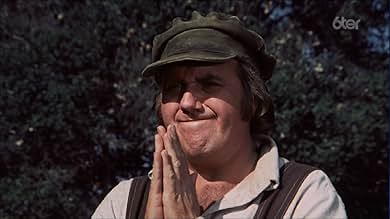
Tinker Jones is one of Walnut Grove’s most unique and beloved residents. A traveling tinsmith and handyman, he is known throughout the community for his willingness to help others. Whether repairing household items, assisting neighbors, or lending a hand wherever needed, Tinker has earned the respect and affection of nearly everyone in town.
What makes Tinker especially remarkable is that he is mute. Unable to speak, he communicates through gestures, expressions, and actions rather than words.
Despite this limitation, Tinker possesses an extraordinary ability to connect with people. His kindness, patience, and generosity often communicate more effectively than spoken language ever could.
Throughout the series, Tinker Jones serves as a reminder that a person’s worth is not determined by physical limitations but by the quality of their character.
In this episode, his quiet wisdom becomes the key to resolving the town’s conflict.
Pride and Recognition
One of the central themes of “The Voice of Tinker Jones” is the human desire for recognition.
The residents of Walnut Grove genuinely want to support the church, but many also want acknowledgment for their generosity. As discussions continue, the focus shifts from helping the congregation to deciding who deserves credit.
The episode skillfully examines how pride can interfere with even the best intentions.
Each side believes its contribution should be valued more highly than the others. Feelings become hurt, tempers flare, and misunderstandings multiply. What started as an act of faith slowly transforms into a competition.
This conflict reflects a universal aspect of human nature. Most people enjoy being appreciated for their efforts, but the episode challenges viewers to consider whether acts of kindness are truly selfless if recognition becomes the primary motivation.
Actions Speak Louder Than Words
The episode’s title highlights one of its most important messages.
Although Tinker Jones cannot speak, his actions become the strongest voice in the story.
While others argue, Tinker quietly continues helping those around him. He does not seek praise, attention, or public recognition. Instead, he focuses on serving others simply because it is the right thing to do.
His behavior stands in sharp contrast to the increasingly vocal disagreements among the townspeople.
Through Tinker, the episode demonstrates that true character is revealed through actions rather than words. His quiet example reminds everyone that generosity is most meaningful when it comes from a sincere desire to help others.
The story suggests that some of life’s most important lessons are taught not through speeches or arguments but through simple acts of kindness and service.
Communication Beyond Words
Another powerful theme explored in the episode is communication.
Because Tinker cannot speak, many people initially underestimate him. However, as the story unfolds, viewers see that communication involves much more than spoken language.
Tinker expresses compassion through his actions.
He communicates friendship through his willingness to help.
He demonstrates understanding through patience and empathy.
His relationships with the townspeople show that meaningful connections are built through trust, respect, and kindness rather than words alone.
For many viewers, this aspect of the episode remains particularly moving. It challenges assumptions about disability and highlights the importance of seeing people for who they truly are.
The Role of Reverend Alden
Reverend Alden plays a significant role in the story as both a spiritual leader and a concerned observer.
When he first introduces the idea of acquiring a new church bell, he hopes to strengthen the congregation and improve the church.
Instead, he watches as the project becomes a source of division.
His disappointment reflects the episode’s broader message about the dangers of allowing personal pride to overshadow community goals.
Throughout the conflict, Reverend Alden encourages understanding, cooperation, and forgiveness. His efforts help guide the townspeople toward recognizing what truly matters.
Charles Ingalls and Community Leadership
Charles Ingalls once again serves as a voice of reason within Walnut Grove.
Known for his honesty, integrity, and practical wisdom, Charles understands that the church bell itself is less important than the spirit in which it is given.
His interactions with other townspeople help emphasize the importance of humility and community responsibility.
Like many episodes of Little House on the Prairie, the story uses Charles as a model of leadership based not on authority but on character.
His example reinforces the episode’s central message that genuine respect is earned through actions rather than public recognition.
Humor and Heart
Although the episode deals with serious themes, it also contains plenty of humor.
The townspeople’s arguments often lead to amusing situations and misunderstandings. Their determination to receive credit sometimes becomes so exaggerated that it reveals the absurdity of the conflict.
These lighter moments help balance the story’s deeper emotional themes.
The combination of comedy and heartfelt drama was one of the defining characteristics of Little House on the Prairie, and “The Voice of Tinker Jones” showcases this balance particularly well.
Viewers are entertained while simultaneously being encouraged to reflect on important moral lessons.
A Lesson in Humility
Perhaps the greatest lesson of the episode is humility.
By the story’s conclusion, the townspeople begin to recognize how far they have drifted from their original purpose.
The church bell was never supposed to be about personal recognition.
It was supposed to serve the community.
Tinker Jones’s example helps everyone see the situation more clearly. His quiet generosity reminds them that true service requires no applause.
The lesson is simple but powerful:
The most meaningful acts of kindness are often performed without expectation of reward.
Lasting Legacy
More than fifty years after its original airing, “The Voice of Tinker Jones” remains one of the most admired episodes of Little House on the Prairie.
Its themes of kindness, humility, faith, and community continue to resonate with audiences of all ages.
The character of Tinker Jones has become one of the series’ most enduring symbols of compassion and selflessness. His story reminds viewers that greatness is not measured by wealth, status, or recognition but by the positive impact we have on the lives of others.
The episode’s message remains remarkably relevant in today’s world, where recognition and attention often receive greater emphasis than quiet acts of service.
Conclusion
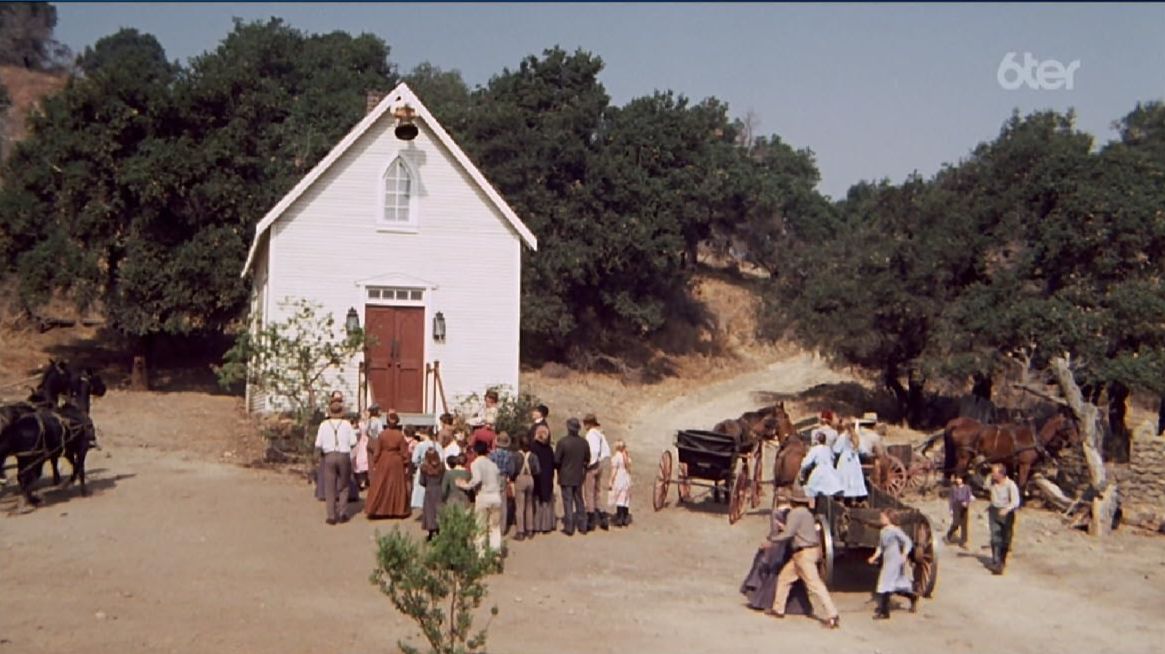
“The Voice of Tinker Jones” is far more than a story about a church bell. It is a thoughtful exploration of human nature, community values, and the power of kindness.
Through humor, emotion, and unforgettable characters, the episode teaches timeless lessons about humility, generosity, and the importance of putting others before ourselves.
At the heart of the story stands Tinker Jones—a man without a voice whose actions speak louder than anyone else’s.
His example continues to inspire viewers, reminding us that the strongest voices are not always the loudest and that true greatness is often found in simple acts of love, service, and compassion.
For many fans, this episode represents everything that made Little House on the Prairie special: meaningful storytelling, memorable characters, and lessons that continue to touch hearts across generations.