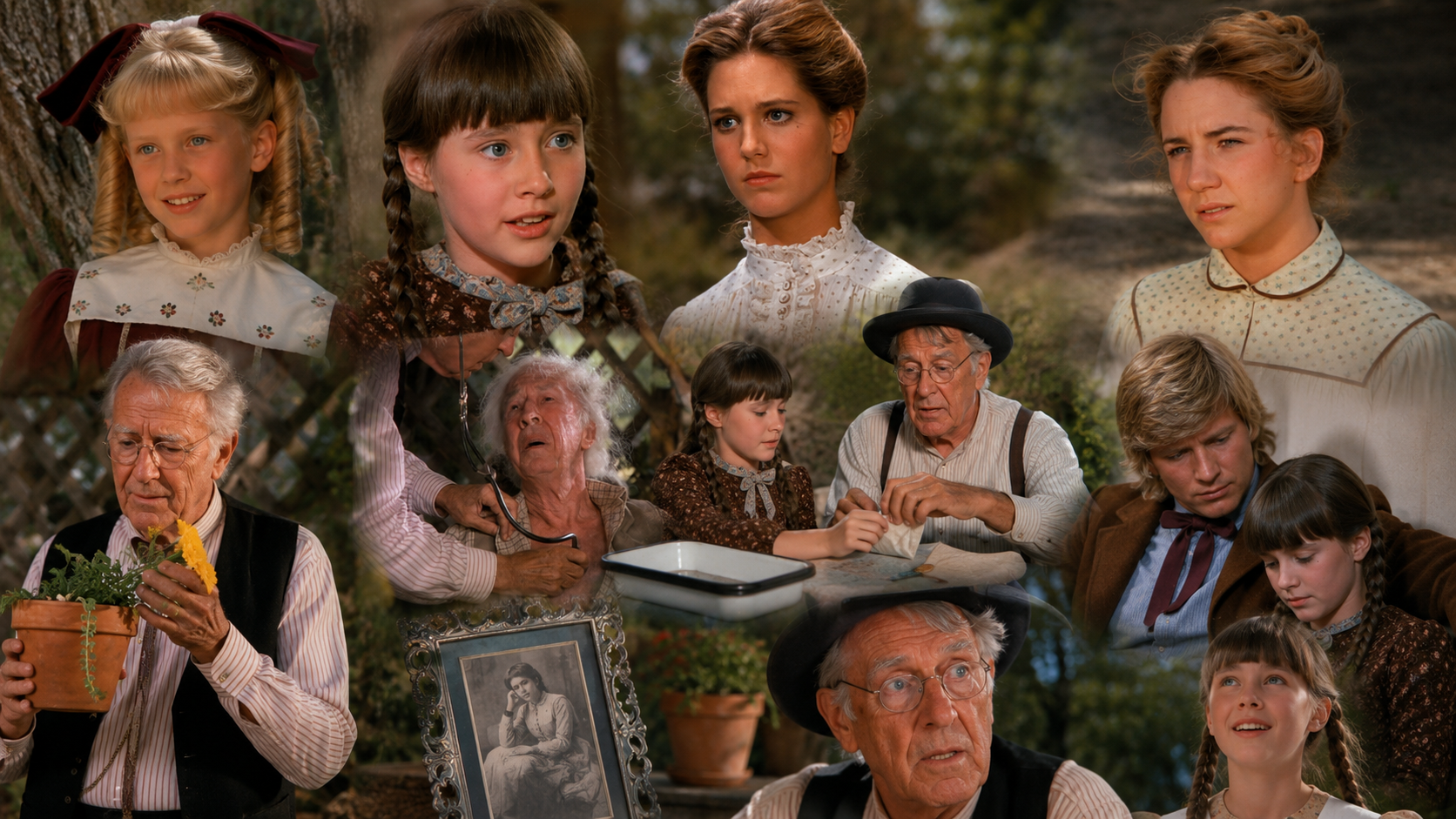
Life in Walnut Grove often seemed peaceful from a distance, but behind many doors were quiet struggles that few people understood.
Laura Wilder had begun teaching at the school for the blind, where she worked closely with children who were learning how to live with courage and independence. Among them was a young boy named Matthew, whose world had changed after he lost his sight.
Matthew was intelligent and sensitive, but he carried deep frustration. He hated depending on others. He disliked being guided, corrected, or treated as though he were helpless. Every small task reminded him of what he could no longer see.
Laura tried to encourage him.
“You may not see the world the way you once did,” she told him gently, “but that does not mean the world has stopped being beautiful.”
Matthew wanted to believe her, but hope did not come easily.
One afternoon, Laura brought the children outside. She wanted them to experience nature through sound, touch, and smell. Birds moved through the trees. Leaves rustled in the breeze. Flowers carried the sweet scent of summer.
While the other children explored, Matthew stood apart.
Then he heard someone working nearby.
An elderly man named Marvin was tending a small garden behind his home. Marvin was quiet and somewhat unusual. He preferred plants to people and rarely joined the townspeople in conversation.
When Matthew wandered near the garden, Marvin noticed him touching the leaves of a tomato plant.
“Careful,” Marvin said. “That stem breaks easily.”
Matthew pulled his hand away.
“I didn’t mean to hurt it.”
Marvin walked closer and placed the boy’s hand beneath one of the leaves.
“Feel that?”
Matthew nodded.
“That little roughness protects the plant,” Marvin explained. “Everything in a garden has a reason, even the parts people overlook.”
Matthew became curious.
For the first time in many days, someone spoke to him without pity.
Marvin did not ask about his blindness. He did not offer to guide him or tell him to be brave. Instead, he talked about soil, seeds, roots, and weather.
Matthew began visiting the garden whenever Laura allowed it.
Marvin taught him how to recognize plants by touch and scent. Mint felt different from parsley. Rosemary carried a strong smell. Tomatoes had soft leaves, while bean vines curled gently around wooden poles.
Matthew learned to water the plants without drowning them. He learned how deep to place seeds and how to pull weeds without damaging the roots.
Slowly, the garden became a place where Matthew did not feel limited.
He could hear bees moving from flower to flower. He could tell when the soil was dry by pressing his fingers into the earth. He could recognize the direction of the wind by the movement of leaves.
Laura noticed the change in him.
Matthew smiled more often. He spoke with confidence. He even began helping the younger children find their way through the garden.
But Marvin’s friendship with the boy worried some people in town.
Marvin lived alone and kept to himself. Rumors spread that he was unfriendly and strange. A few townspeople believed Matthew should not be spending so much time with him.
Laura defended Marvin.
“He has given Matthew something no lesson inside a classroom could give him,” she said. “He has helped him believe in himself.”
Still, concern grew when Matthew began missing lessons to work in the garden.
Laura finally spoke to Marvin.
“He cares about you,” she said. “But he still needs school.”
Marvin looked toward Matthew, who was kneeling beside a row of newly planted flowers.
“School teaches him how to live in the world,” Marvin replied. “The garden teaches him that he still belongs in it.”
Laura understood what Marvin meant, but she also knew balance was necessary.
Then one morning, Matthew arrived at the garden and discovered Marvin was not there.
The watering can sat beside the fence. A basket of seeds had been left open. The garden was strangely silent.
Matthew called his name.
“Marvin?”
There was no answer.
Laura came running from the schoolhouse. Together, they entered Marvin’s home and found him lying weakly in bed.
Marvin had been ill for some time, but he had hidden it from everyone.
Dr. Baker examined him and later spoke quietly with Laura.
Marvin’s condition was serious.
Matthew overheard enough to understand.
For the first time since losing his sight, he felt completely lost again.
The man who had taught him how to discover beauty in darkness might not have much time left.
And the garden they had built together was only beginning to bloom.
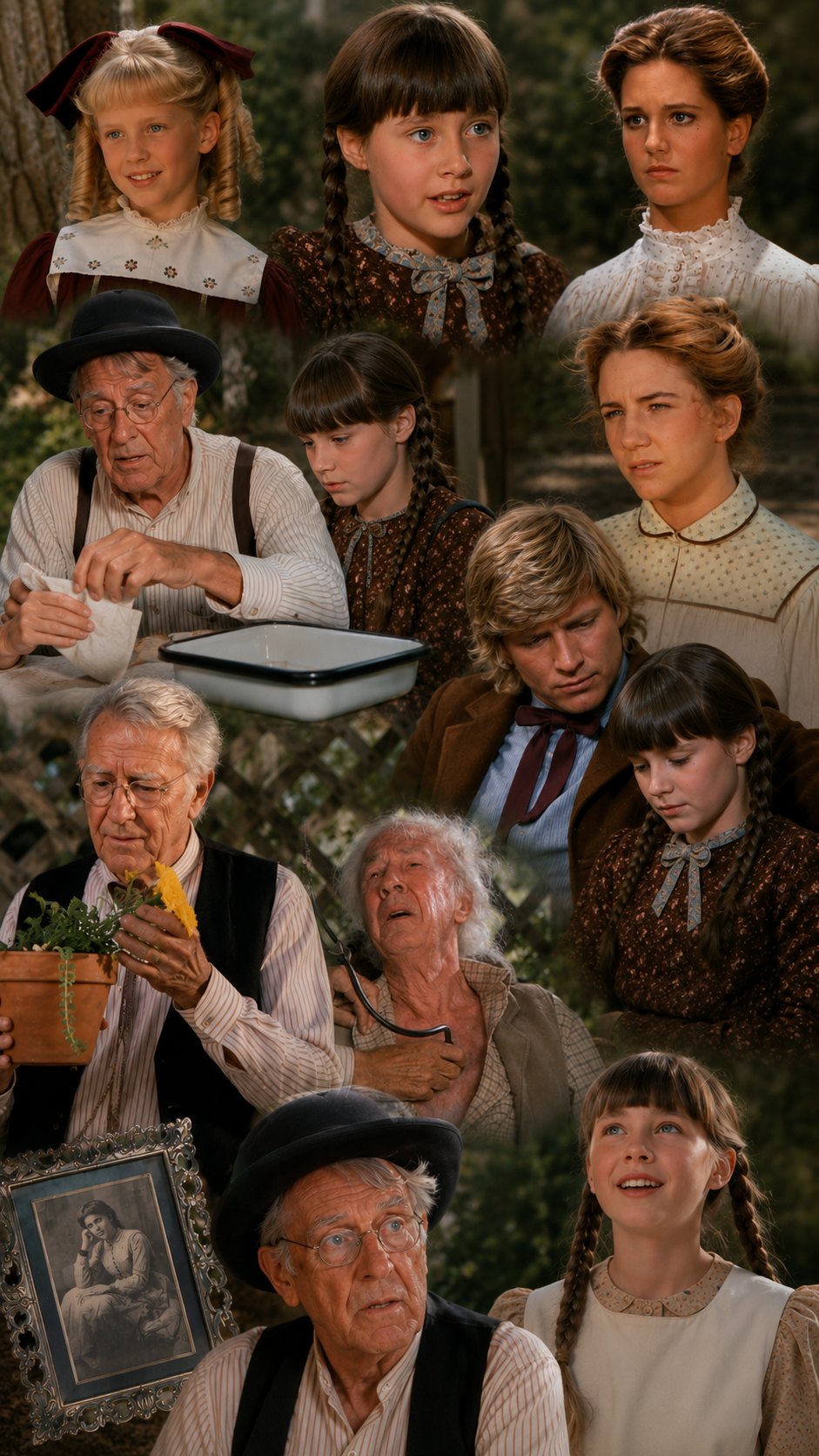
Season 9, Episode 12 — “Marvin’s Garden”
Part 2
After Marvin became ill, Matthew refused to leave his side.
Laura tried to persuade him to return to school, but the boy shook his head.
“He needs me now.”
Marvin opened his eyes and heard Matthew’s voice.
“You have work to do,” he whispered.
“I’ll stay here.”
“No,” Marvin said. “The garden won’t wait.”
Matthew lowered his head.
Without Marvin beside him, the garden no longer felt safe. Every path seemed unfamiliar. Every plant reminded him of the man who had taught him to care for it.
Marvin reached for Matthew’s hand.
“You know more than you think you do.”
Matthew’s voice trembled.
“What if I make a mistake?”
“You will,” Marvin replied. “Everyone does. Plants survive storms, broken branches, and bad soil. People can survive mistakes too.”
The next morning, Matthew returned to the garden.
At first, he moved slowly. He counted his steps from the gate. He felt along the fence and listened for the sound of the wind moving through the taller plants.
He found the watering can. He checked the soil. He removed weeds from the flower beds.
Laura watched quietly from a distance.
Matthew was frightened, but he continued.
Over the following days, the other children joined him. He showed them how to identify herbs by smell. He taught them how to follow the garden path by touching the rope Marvin had tied along the fence.
Soon, the garden became a place of learning for everyone.
Children who had once felt helpless began taking responsibility for small sections of the land. One cared for the vegetables. Another watered the flowers. A younger girl collected fallen leaves for compost.
The townspeople also began to see Marvin differently.
They brought tools, seeds, and fresh wood for the garden fence. Mr. Edwards repaired a broken gate. Almanzo helped build raised planting boxes that were easier for the children to reach.
Even those who had once criticized Marvin now understood what he had created.
He had not simply planted vegetables and flowers.
He had created a place where blind children could learn confidence, patience, and independence.
When Marvin became strong enough to sit outside, Laura and Matthew brought him to the garden.
The moment he entered, he heard children laughing.
“What’s all this noise?” he asked.
Matthew smiled.
“Your garden grew.”
Marvin touched the new wooden planting boxes. He listened as the children described what they had planted.
Then Matthew guided him toward a row of flowers.
“These are the ones we planted together,” the boy said.
Marvin gently touched one of the blossoms.
“You kept them alive.”
Matthew shook his head.
“You taught me how.”
Marvin smiled.
“No, son. I only showed you where to begin.”
The garden continued to flourish through the summer.
Matthew returned to his lessons with a new sense of purpose. He no longer saw school as a reminder of what he had lost. He saw it as another path toward independence.
He learned to read with his fingers. He practiced walking without assistance. He began speaking openly about his fears instead of hiding them behind anger.
Marvin’s health remained fragile, but his spirit grew stronger whenever he heard the children in the garden.
One evening, Matthew sat beside him beneath a tree.
“Do you think I’ll ever stop being afraid?” the boy asked.
Marvin considered the question.
“No,” he said honestly. “But courage isn’t the absence of fear. Courage is planting a seed when you’re not certain it will grow.”
Matthew smiled.
Months later, the first harvest arrived.
The children filled baskets with tomatoes, beans, herbs, and bright flowers. They shared the vegetables with families throughout Walnut Grove.
At the center of the garden stood a small wooden sign.
It read:
Marvin’s Garden — A Place Where Hope Grows
Matthew could not see the words, but Laura traced each letter beneath his fingers.
As he read the sign, tears filled his eyes.
The garden had changed him.
It had taught him that life could still hold beauty, even when the future seemed dark. It had shown him that independence did not mean refusing help. It meant learning, growing, and eventually helping someone else.
Marvin watched from the porch as Matthew led a younger child through the rows of flowers.
“Reach out your hand,” Matthew said. “You don’t have to see it to know it’s there.”
The child touched a blossom and smiled.
Marvin closed his eyes peacefully.
His garden would continue.
Not only in the soil, but in every child who learned there that courage, like a seed, could grow anywhere when cared for with patience, kindness, and love.
The End


