The Little House on the Prairie Finale: 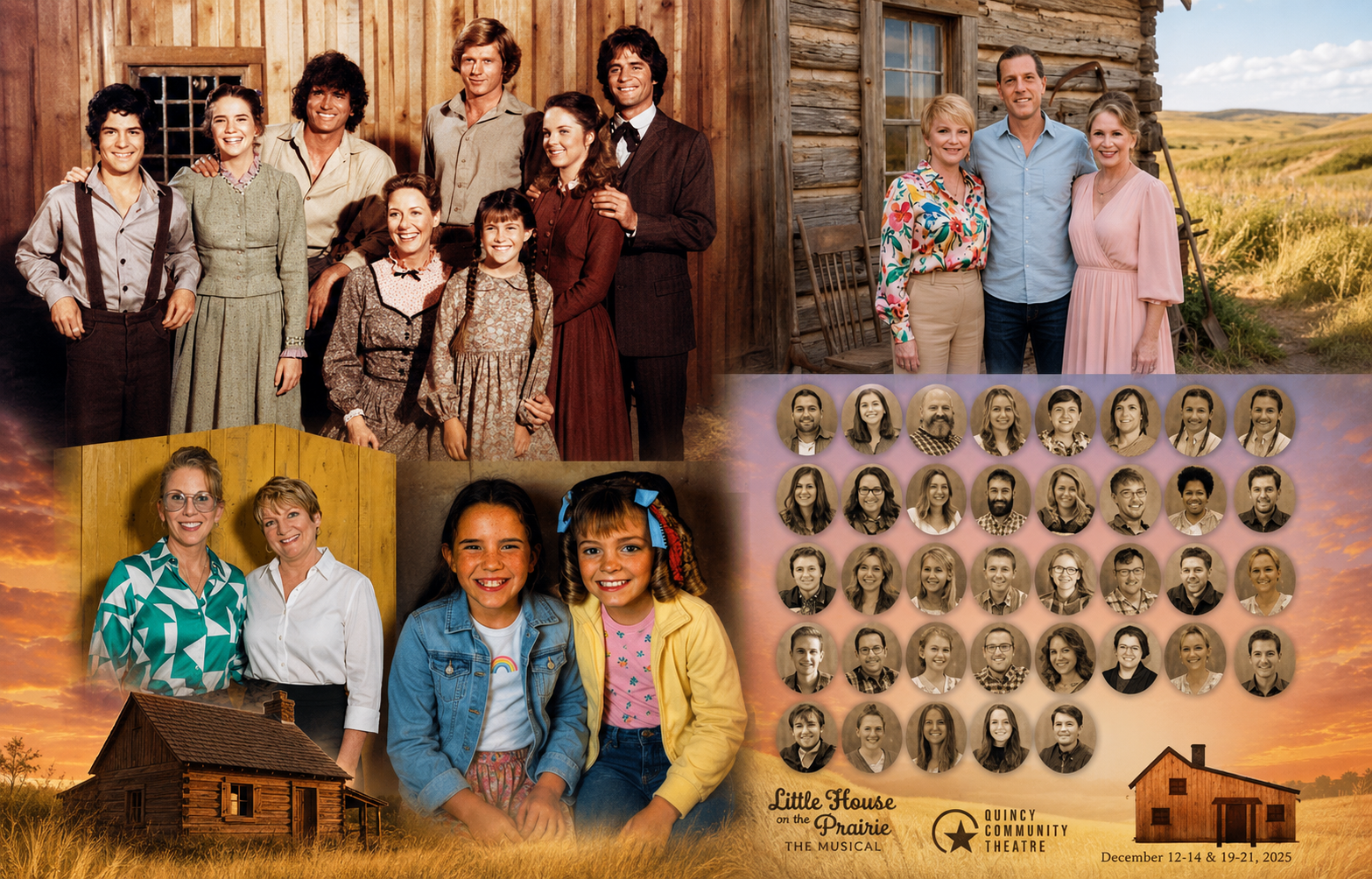
A Hidden Detail 90% of Fans Missed That Changes Everything!
For nine beautiful seasons, Little House on the Prairie captured the hearts of millions.
We watched the Ingalls family grow, laugh, cry, and survive the harsh realities of frontier life.
Walnut Grove wasn’t just a fictional setting.
To the viewers, it felt like a second home.
It was a sanctuary of wholesome values, neighborly love, and simpler times.
So, when the final television movie, The Last Farewell, aired in 1984, fans expected a tearful goodbye.
But nobody was truly prepared for what actually happened.
Nobody expected to see the beloved town of Walnut Grove literally blown to smithereens.
The Explosion Heard ‘Round the World
The plot of the finale seemed straightforward on the surface.
A ruthless land tycoon named Nathan Lassiter buys up all the land in Hero Township.
By legal right, he owns everything—the homes, the church, the shops, and the soil.
The townspeople are given an ultimatum: work for him as cheap labor or pack up and leave.
After exhausting all legal options, the citizens of Walnut Grove reach a breaking point.
They refuse to let a greedy corporate empire profit off their sweat, blood, and tears.
One by one, the shopkeepers and residents plant dynamite inside their own properties.
John Carter blows up his home.
The Olesons destroy their iconic mercantile.
Even the schoolhouse and church are reduced to splinters and smoke.
It is a devastating, emotional, and highly dramatic climax.
Most fans watch this scene and see a powerful act of defiance against corporate greed.
They see a community choosing destruction over subjugation.
But if that is all you saw, you missed the real story.
There is a hidden detail—a layer of deep, symbolic meaning—that 90% of viewers completely overlooked.
The Real-World Vendetta Hidden in Plain Sight
To truly understand the hidden message of the explosion, you have to look past the fictional characters.
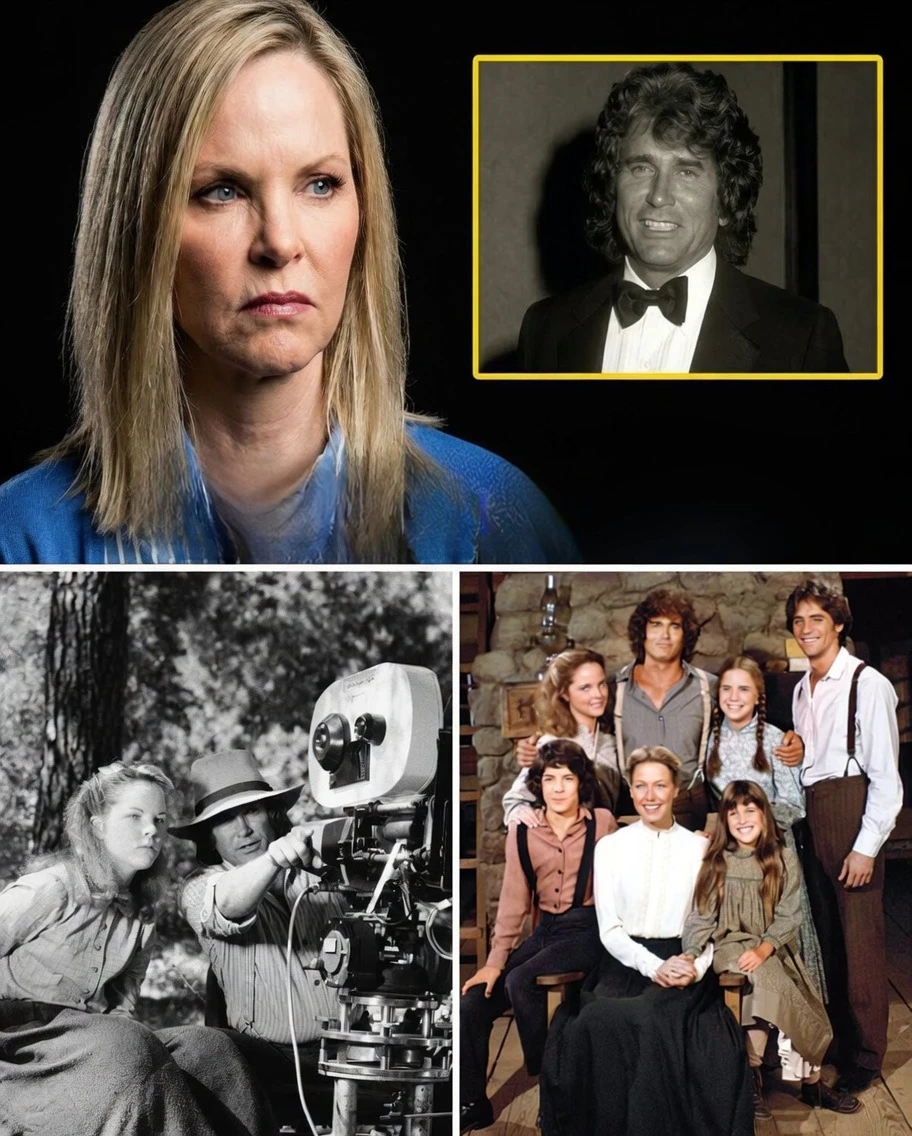
You have to look at the man behind the curtain: Michael Landon.
Landon wasn’t just Charles Ingalls; he was the creator, executive producer, director, and driving force of the show.
By 1984, the landscape of network television was changing rapidly.
The era of wholesome, family-friendly dramas was being pushed aside by glitzy, high-stakes soap operas and action shows.
Furthermore, Landon had a notoriously tense relationship with the network executives at NBC.
When the show was canceled, Landon didn’t just want to say goodbye.
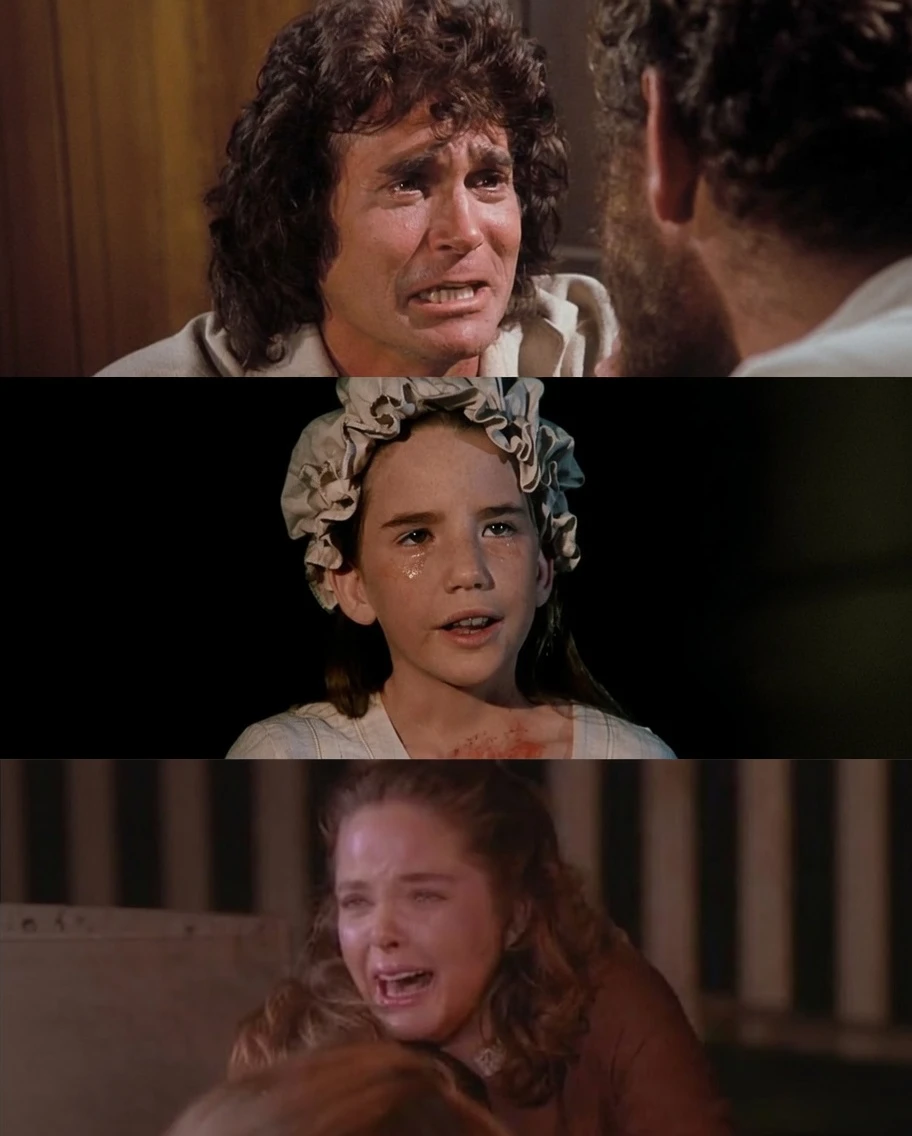
He wanted to make absolutely sure that no one else could ever touch his legacy.
You see, the set of Walnut Grove was built on the Big Sky Ranch in Simi Valley, California.
Standard Hollywood practice meant that after a show ended, the sets were either left for other productions or dismantled quietly.
Landon despised the idea of other TV shows or commercials reusing his beloved town.
He couldn’t stand the thought of a cheap sitcom characters walking through the Olesons’ Mill.
So, he made a radical decision that shocked the network.
He wrote the destruction of the town directly into the script for a purely practical, real-world reason:
To force the network to destroy the physical sets so no one else could ever use them again.
When you watch Laura Ingalls Wilder watch her childhood home blow up, you aren’t just watching a character grieve.
You are watching Michael Landon actively scorching the earth of his own creation.
The Hidden Message to the Future
But the real genius of the finale lies in the symbolic message left for future generations.
Look closely at the only building left standing at the end of the episode.
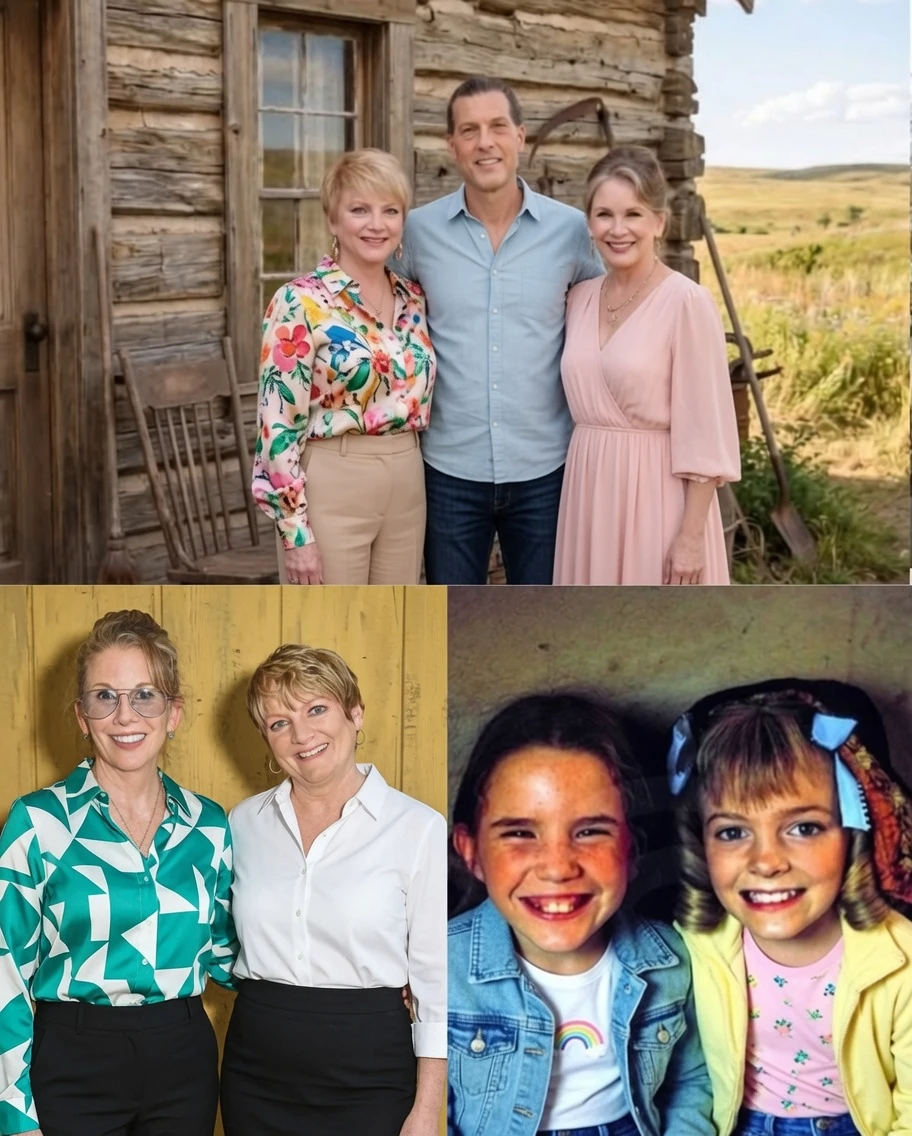
Amidst the smoking ruins and ash, the little wood-framed church and schoolhouse remains perfectly intact.
Why did they spare the church?
On a production level, it was because the building sat too close to a protected oak tree on the ranch.
But on a narrative and symbolic level, Michael Landon used this accident of geography to send a profound message.
When Lassiter, the greedy tycoon, rides into the ruined town, he realizes his victory is completely hollow.
He owns the land, but he owns absolutely nothing of value.
The people are gone, the infrastructure is gone, and his empire is nothing but dust.
Landon was sending a shocking, timeless warning to the modern world about the emptiness of materialism.
The buildings represented the physical, material world—things that can be bought, sold, and destroyed.
But the church, standing alone in the debris, represented the untouchable soul of the community.
It stood for faith, unity, love, and human dignity.
By leaving the church standing, the finale screams a truth that resonates even louder today:
You can buy the dirt, you can destroy the buildings, but you can never own the human spirit.
Saying Goodbye to Family
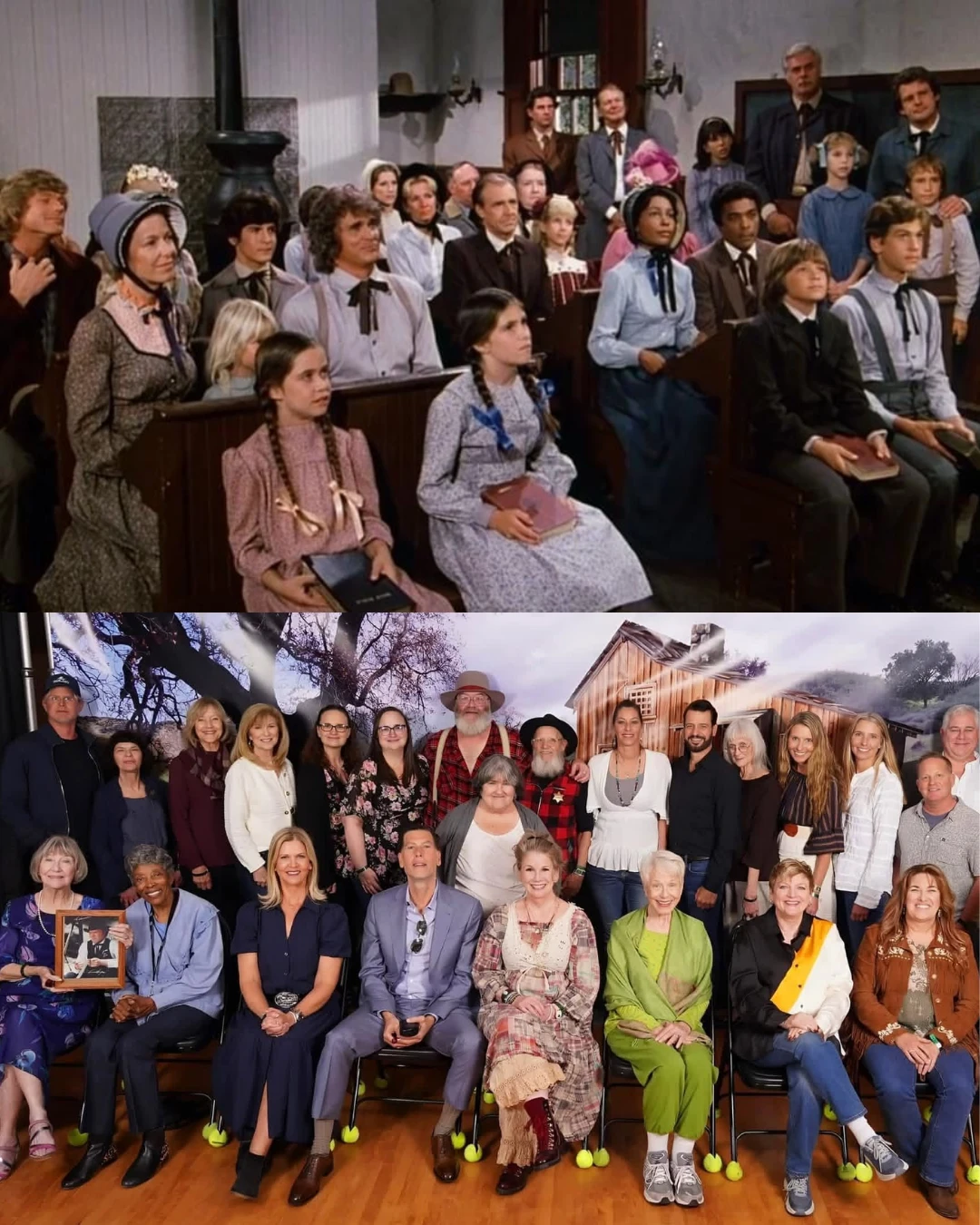
As the dust settled, the final moments of the episode gave us the most iconic imagery of the entire series.
The townspeople didn’t scatter in fear or anger.
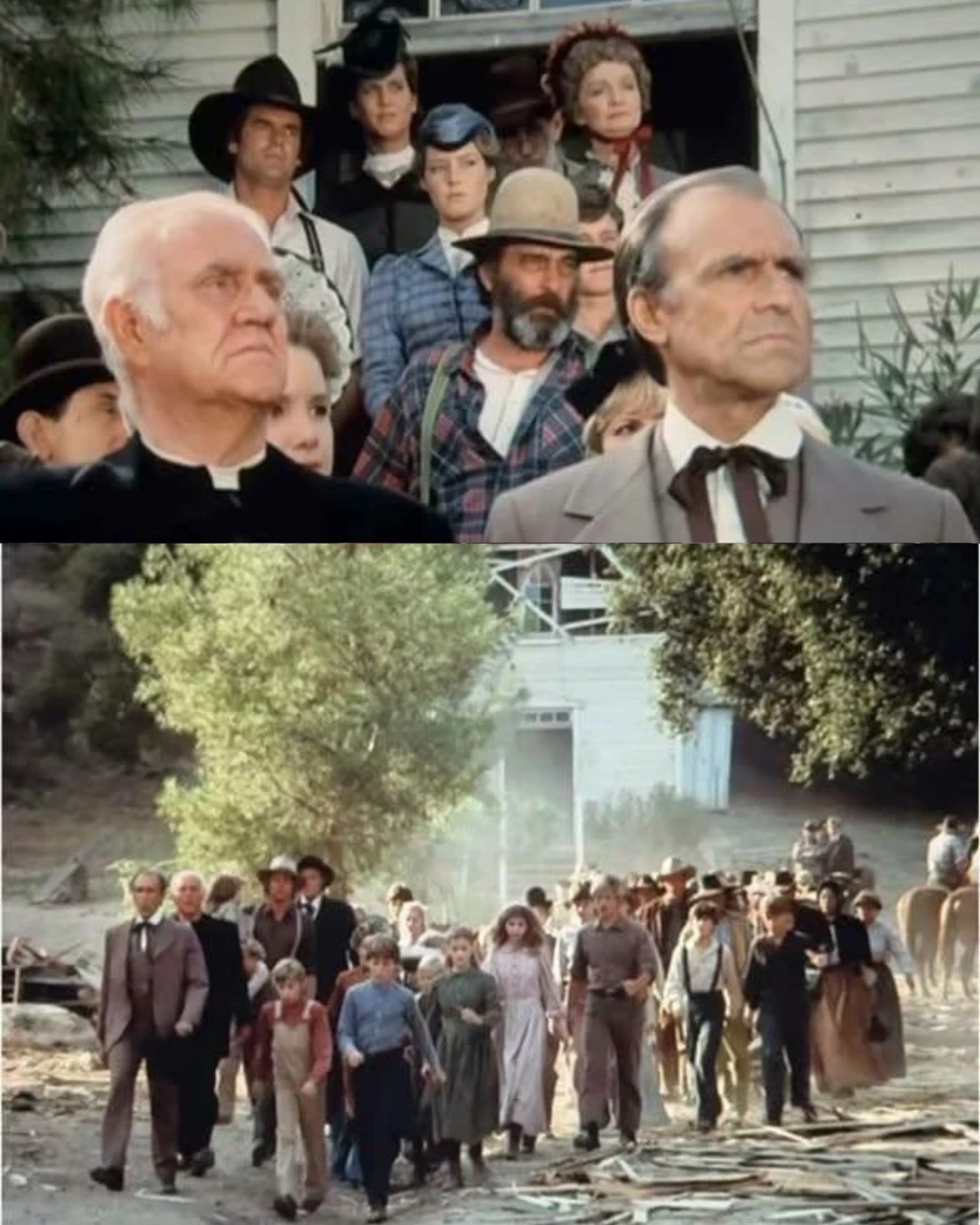
Instead, they linked arms and marched down the dirt road together.
They began to sing “Onward, Christian Soldiers.”
They stood tall, with their heads held high, packed with pride and unbreakable unity.
They didn’t look like victims; they looked like conquerors.
For the audience sitting at home in 1984, and for those rewatching it decades later, it felt like saying goodbye to our own family.
It wasn’t just about a TV show ending.
It felt like the closing of a chapter in American cultural history.
It was the end of an era where television regularly celebrated simple, uncorrupted goodness.
The Legacy That Refuses to Burn
Walnut Grove was blown apart on screen, blown to pieces by the very people who built it.
Yet, the irony is that Michael Landon’s plan to end it all actually made the show immortal.
By ending the series with such a definitive, shocking, and emotionally explosive bang, he ensured it would never be forgotten.
It prevented Little House on the Prairie from fading away into late-night syndication obscurity.
The physical town became a memory, but the heart of the series became permanent.
The values of love, resilience, and standing up for what is right didn’t burn in that final explosion.
They live on in every rewatch.
They live on in every tear shed by new generations discovering the show today.
So, the next time you watch The Last Farewell, don’t just look at the fire and the smoke.
Look at the people standing together, smiling through their tears.
Because that wasn’t just a finale.
It was a masterclass in creative defiance, and a timeless reminder that the things that truly matter can never be destroyed.


