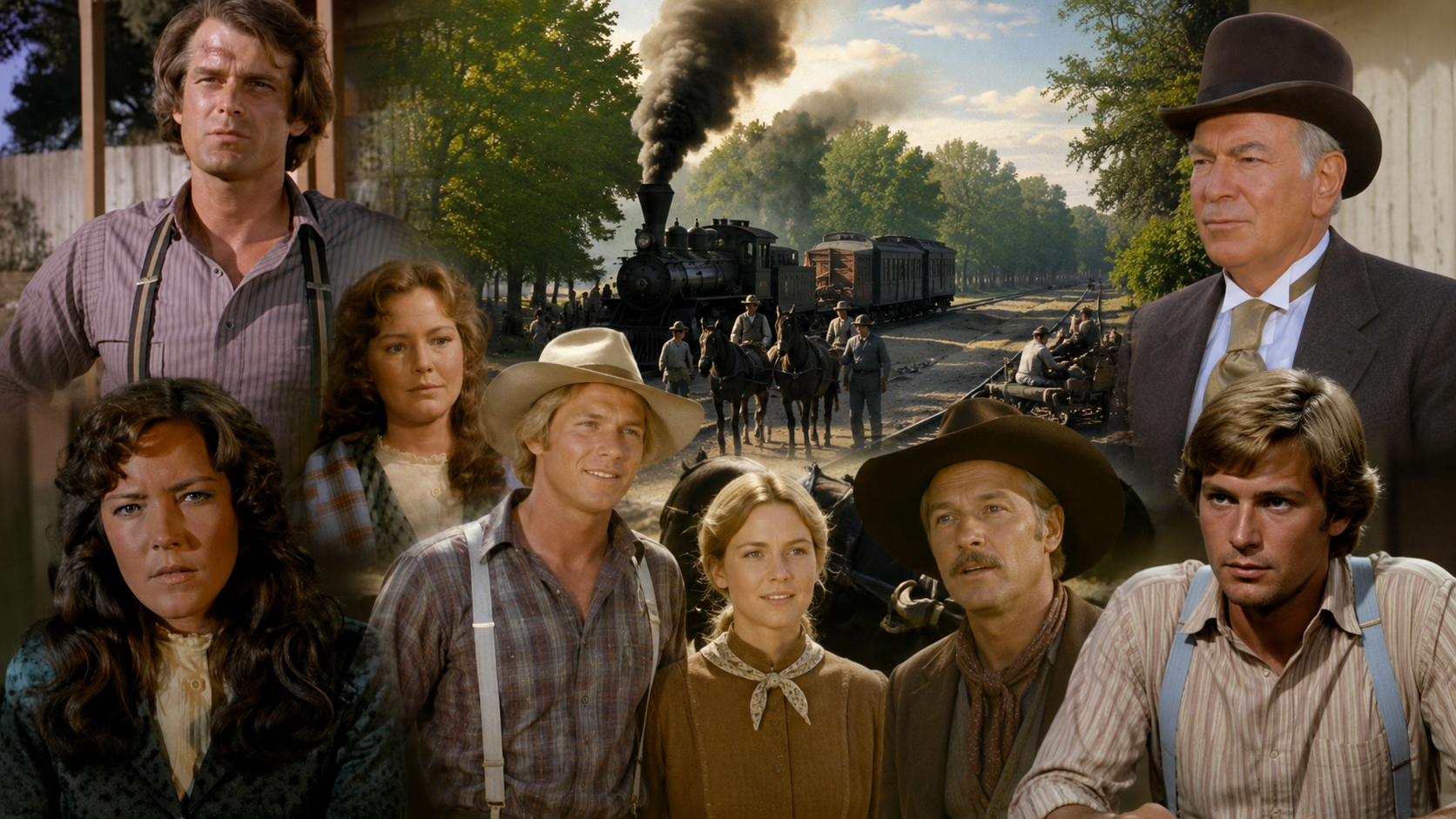
 A Railroad Comes to Walnut Grove
Walnut Grove had always been a quiet town built on hard work, trust, and neighborly kindness. Families depended on the land, local shops, and one another. Life was not easy, but it was honest.
Then news arrived that a railroad company planned to build tracks near the town.
At first, many residents were excited. A railroad promised faster travel, new customers, and easier access to distant markets. Farmers imagined sending their crops farther away. Shopkeepers hoped more visitors would bring greater profits.
The company’s representatives spoke confidently about progress and prosperity. They described a future in which Walnut Grove would become an important center of trade.
However, their promises came with a price.
The railroad needed land, supplies, labor, and control over certain parts of the community. Its representatives expected the townspeople to cooperate without questioning their plans. They behaved as though progress gave them the right to decide what was best for everyone.
Some residents welcomed the opportunity, believing any sacrifice would be temporary. Others became uneasy. They feared that the railroad company cared more about profit than about the people who lived there.
Soon, the company began making demands.
Landowners were pressured to sell property. People who resisted were treated as obstacles. The representatives used legal documents, influence, and intimidation to get what they wanted.
Walnut Grove slowly became divided.
Neighbors who had once worked together began arguing. Some believed the railroad would save the town. Others feared it would destroy the peaceful life they had built.
The railroad also brought unfamiliar workers and businessmen into the area. Many were simply trying to earn a living, but the company leaders encouraged a harsh atmosphere. Everything was measured by money, speed, and power.
The citizens began to realize that the so-called empire builders did not truly see Walnut Grove as a community.
They saw it as a piece of land standing between them and greater wealth.
As pressure increased, several families faced painful choices. Selling their land might bring quick money, but it could also mean losing homes that had taken years to build.
Refusing to sell could bring legal trouble or financial ruin.
The town’s leaders tried to negotiate, hoping to find a peaceful solution. Yet the railroad representatives showed little interest in compromise. They believed the people of Walnut Grove would eventually surrender.
But they underestimated the strength of a community that had survived blizzards, fires, disease, failed crops, and hardship.
The people might disagree about the railroad, but they were beginning to understand one important truth:
If they allowed powerful outsiders to turn them against one another, they could lose far more than land.
They could lose the heart of Walnut Grove itself.
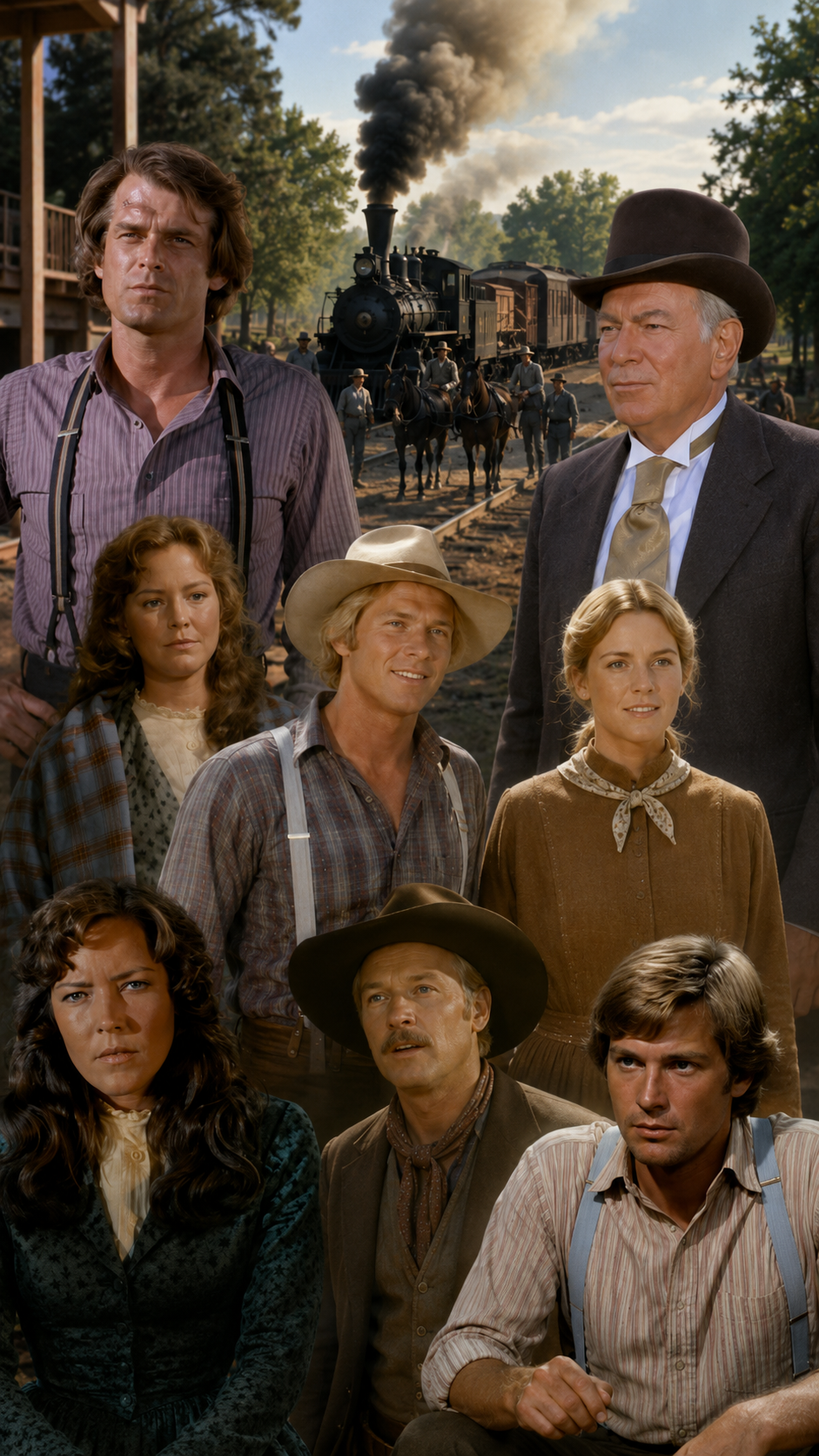 The True Price of Progress
As the railroad company pushed forward, tensions reached a breaking point.
People who had supported the project began noticing that the promised prosperity was not being shared fairly. The company controlled the contracts, the wages, and the important decisions. Local residents were expected to make sacrifices while outsiders collected the profits.
The dream of progress began to look more like exploitation.
Walnut Grove’s citizens finally came together to confront the railroad representatives. They demanded respect, fair treatment, and the right to protect their homes.
The company leaders were shocked by the resistance. They had expected a small rural town to be easily frightened. Instead, they found farmers, shopkeepers, parents, and friends standing side by side.
The townspeople made it clear that they were not against change. They understood that railroads could bring opportunity. But progress that destroyed families, cheated workers, and stole land was not true progress.
It was greed.
The conflict forced everyone to examine what kind of future they wanted.
Some residents admitted they had been blinded by the promise of money. Others apologized for judging neighbors who had opposed the railroad from the beginning.
Slowly, the divisions within Walnut Grove began to heal.
The community chose unity over personal gain.
Their resistance created serious problems for the railroad project. Without local cooperation, the company could not continue as easily as planned. Its representatives were forced to reconsider their methods and demands.
The people of Walnut Grove had proven that ordinary citizens were not powerless when they stood together.
Although the railroad represented a changing world, the episode showed that change must never come at the cost of human dignity.
Walnut Grove might have been small, but its values were strong.
The residents understood that wealth could disappear, businesses could fail, and powerful companies could move on. But the love between neighbors, the protection of family, and the courage to defend what was right were treasures no company could buy.
In the end, “The Empire Builders” became more than a story about a railroad.
It became a lesson about greed, progress, and community.
The episode reminded viewers that powerful people often promise a better future while quietly demanding control in return. It also showed that communities survive not because they are rich, but because their people refuse to abandon one another.
Walnut Grove faced a force much larger than itself.
Yet its citizens discovered that courage grows when people stand together.
And while the railroad builders dreamed of creating an empire, the people of Walnut Grove protected something far more valuable:
A community built on trust, sacrifice, and love.


