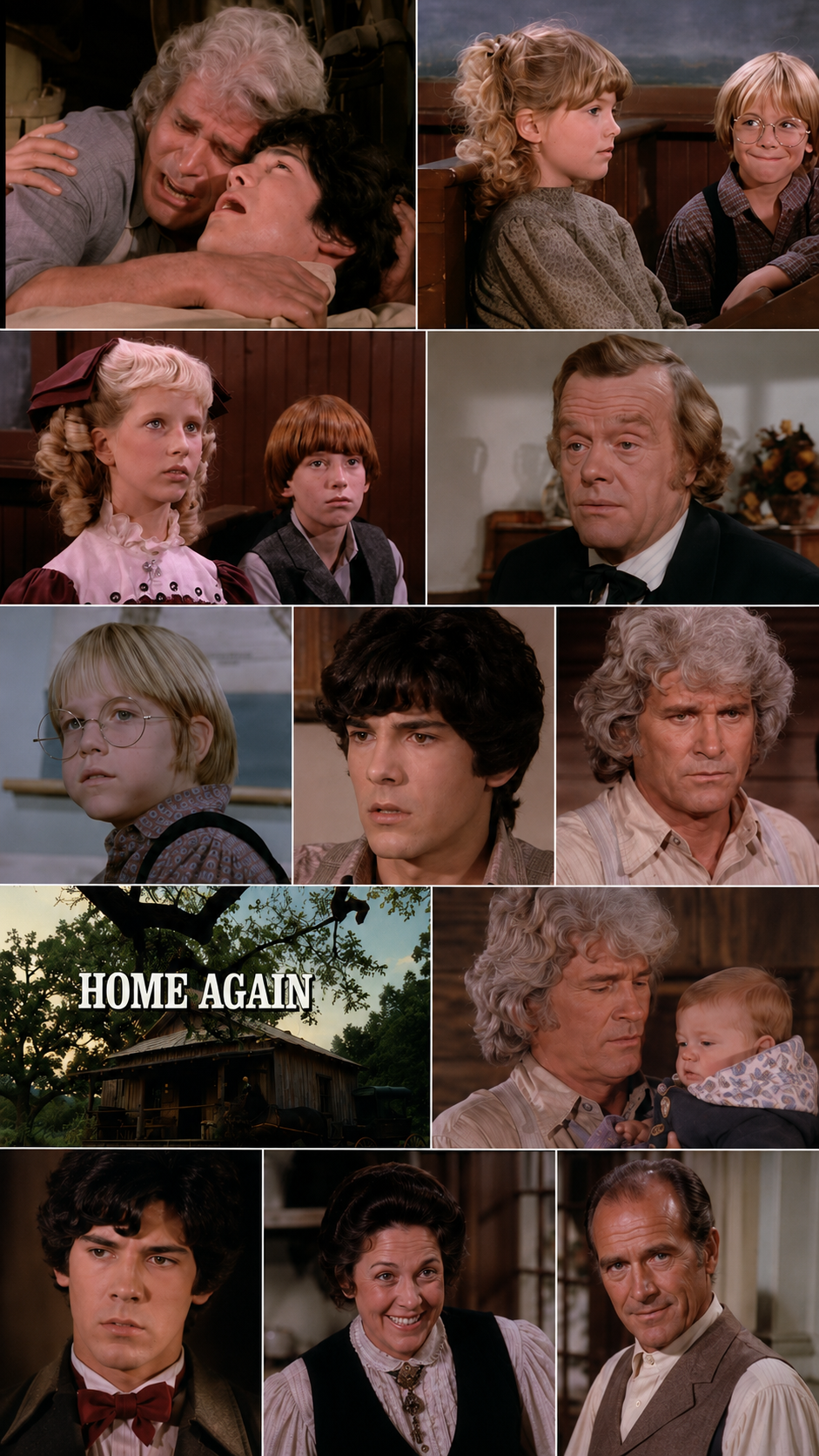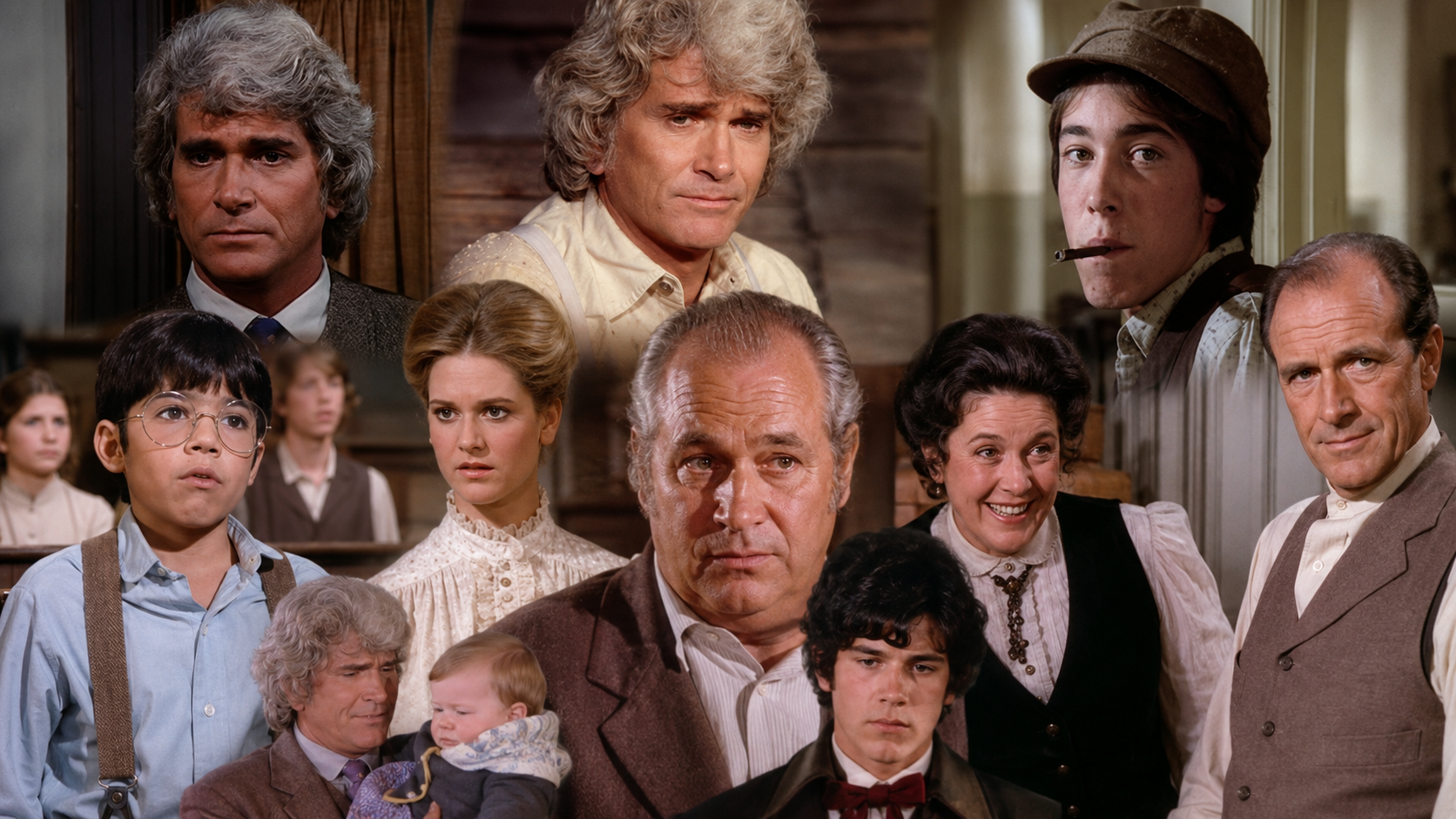
Walnut Grove had always been a place where families came together during difficult times. But when Albert Ingalls returned home, Charles and the rest of the family quickly realized that he was carrying a painful secret.
Albert had been living in the city, trying to build a future for himself. Charles had always been proud of him. He believed Albert was intelligent, caring, and capable of doing something meaningful with his life.
But the boy who returned to Walnut Grove was not the same Albert who had left.
He looked tired and nervous. His behavior changed from one moment to the next. Sometimes he was loving and calm. Other times, he became angry, distant, or frightened.
Charles tried to speak with him, but Albert avoided answering important questions.
At first, Charles believed Albert was simply exhausted from city life. He thought the peaceful countryside, familiar faces, and love of family would help him recover.
However, strange things soon began happening around town.
Money and medicine went missing. Albert disappeared without explaining where he had been. When Charles questioned him, Albert became defensive.
The truth was difficult for Charles to accept.
Albert had become addicted to morphine.
While living in the city, he had fallen in with the wrong people and started using the drug. What may have begun as an escape soon became something he could no longer control.
Albert did not want his family to know. He felt ashamed and afraid. He knew Charles loved him, but he worried that his father would see him as a disappointment.
Instead of asking for help, Albert continued hiding the truth.
The addiction changed him. It made him desperate. He lied, stole, and pushed away the people who cared about him most.
Charles slowly began putting the pieces together.
He noticed Albert’s shaking hands, sudden mood changes, sweating, and unusual need to be alone. Dr. Baker also became concerned when medicine disappeared from his office.
When Charles finally confronted Albert, Albert denied everything.
He insisted that everyone was judging him unfairly. He tried to leave, but Charles stopped him.
Charles was heartbroken. This was the boy he had welcomed into his family, raised as a son, and loved without condition.
He did not see Albert as a criminal.
He saw a frightened young man trapped inside an illness.
Charles told Albert that they would face the problem together. But Albert was not ready to accept help.
The situation became even more painful when Albert’s withdrawal symptoms began.
Without the drug, his body reacted violently. He became sick, weak, angry, and terrified. He begged Charles to let him have just one more dose.
Charles refused.
He knew giving Albert the drug would only continue the cycle. Even though it hurt him to watch his son suffer, Charles understood that Albert had to be separated from the morphine.
Albert shouted at him.
He accused Charles of not loving him.
Charles stood firm, even as tears filled his eyes.
“I am doing this because I love you,” he told him.
The family prepared a room where Albert could be watched and cared for. Charles stayed close, knowing the next few days would be dangerous.
Albert tried to escape more than once.
At one point, he became so desperate that he fought against Charles. The struggle was painful for both of them. Charles had to restrain the boy he loved, not out of anger, but to keep him from hurting himself.
Albert’s cries could be heard throughout the house.
The family felt helpless.
They remembered the cheerful boy who once ran through Walnut Grove, played jokes, helped his sisters, and dreamed of becoming a doctor.
Now he was fighting an enemy inside his own body.
Laura was deeply affected by Albert’s condition. She loved him like a brother and could not understand how things had become so bad.
Charles explained that addiction could take hold of anyone. It did not mean Albert was evil or weak. It meant he needed help, patience, and love.
As the withdrawal grew worse, Albert began suffering from frightening visions.
He imagined people in the room who were not really there. He screamed, begged, and tried to hide.
Charles held him through the worst moments.
Albert finally broke down.
He admitted that he was afraid.
He told Charles that the drug had made him feel peaceful at first. It helped him forget his loneliness and fear. But soon, he needed more and more of it just to feel normal.
He said he wanted to stop, but he did not know how.
Charles reminded him that coming home was the first step.
Albert was not alone anymore.
The people of Walnut Grove began learning about Albert’s struggle. Some responded with sympathy. Others whispered and judged him.
Charles refused to let gossip destroy his son.
He told anyone who would listen that Albert was sick and needed support, not cruelty.
Dr. Baker did everything he could to help. He warned Charles that withdrawal could be dangerous, especially after heavy drug use.
Albert’s fever rose.
His body weakened.
For a time, Charles feared that he might lose him.
Late one night, Charles sat beside Albert’s bed and remembered the first time they had met.
Albert had been a lonely street child in Winoka. He survived by stealing and hiding from adults. Charles had seen something special in him.
He had given Albert a home.
Now Charles prayed that home would be enough to save him again.
Albert opened his eyes and asked whether Charles still wanted him as a son.
Charles immediately took his hand.
“You are my son,” he said. “Nothing will ever change that.”
Those words gave Albert a small sense of hope.
But his struggle was far from over.
As morning arrived, Albert’s condition became more serious. His body continued fighting the addiction, and Charles realized that love alone might not be enough.
Albert would need strength, medical care, and the courage to face everything he had done.
Part 1 ends with the Ingalls family standing together during one of their most painful trials.
Charles had brought Albert home, but the real journey had only begun.
Albert still had to fight for his life, rebuild the trust he had broken, and decide whether he truly wanted a second chance.
For Charles, there was no question.
As long as Albert was willing to fight, his family would fight beside him.
To be continued in “Home Again: Part 2.”
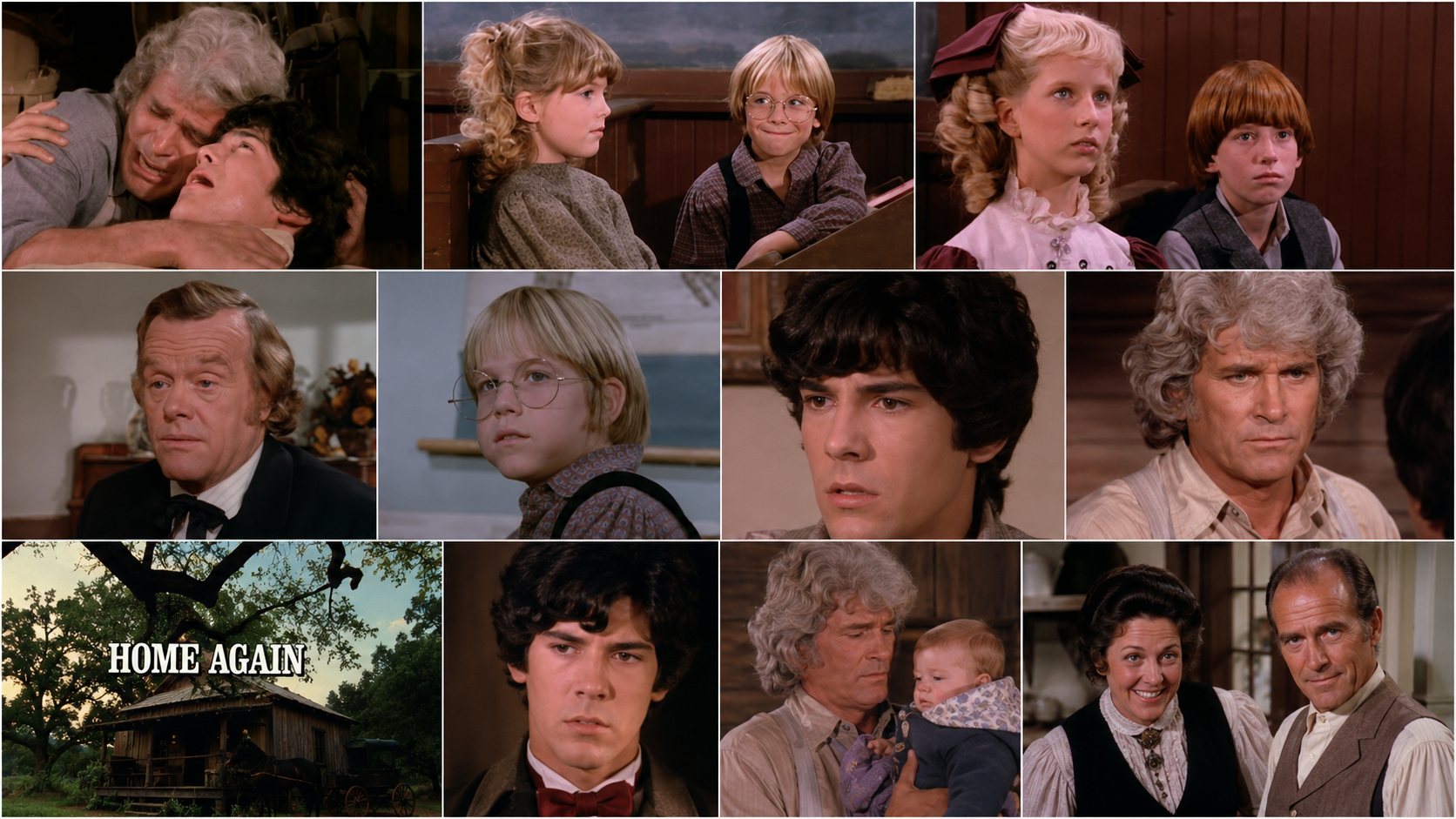
Home Again: Part 2
Episode Summary
Albert Ingalls’ struggle with addiction reaches its most emotional turning point as Charles Ingalls refuses to give up on the son he loves.
After the painful events of Part 1, Charles remains at Albert’s side, determined to help him overcome his morphine addiction. Albert has already admitted he has a problem, but facing it proves far more difficult than either of them imagined. His body craves the drug, and every passing hour brings unbearable withdrawal symptoms.
Charles takes Albert to a small clinic where Dr. Burke specializes in helping patients recover from addiction. The doctor explains that there are no easy cures. Albert must endure the painful process, and the people who love him must stay strong even when he begs for the medicine that is destroying his life.
The first days are heartbreaking. Albert becomes weak, feverish, and confused. He experiences terrible nightmares and violent mood swings. At times he lashes out at Charles, accusing him of cruelty and insisting that he would rather die than continue suffering. Every harsh word cuts deeply, but Charles understands that the addiction—not Albert—is speaking.
There are moments when Albert almost escapes the clinic in search of more morphine. Charles and Dr. Burke stop him just in time, reminding him that every step backward will only tighten the drug’s grip. Albert feels trapped between unbearable pain and the hope of freedom, wondering whether he has the strength to survive.
As the days pass, Charles refuses to leave his son’s side. He spends long nights sitting beside Albert’s bed, offering quiet encouragement whenever Albert loses hope. Their conversations become honest in ways they never had before. Albert confesses how ashamed he feels for stealing medicine, lying to those who trusted him, and disappointing the family that raised him. Charles assures him that while mistakes have consequences, they never erase a person’s worth. What matters now is choosing a better path.
Gradually, the worst of the withdrawal begins to ease. Albert’s hands stop shaking, his thoughts become clearer, and the desperate craving slowly loses its power. Though exhausted, he realizes he has survived the hardest part of the journey.
Before leaving the clinic, Albert sincerely thanks Dr. Burke for refusing to give up on him when he was ready to give up on himself. He also thanks Charles, whose unwavering love carried him through the darkest days of his life.
The experience changes both father and son. Charles learns that true strength sometimes means simply staying beside someone through their deepest pain. Albert learns that courage is not pretending to be strong but admitting when help is needed and accepting it.
As they prepare to return home, Albert knows that recovery will continue long after they leave the clinic. Temptation may return, but he now has hope, the support of his family, and a renewed determination to build a better future.