Centennial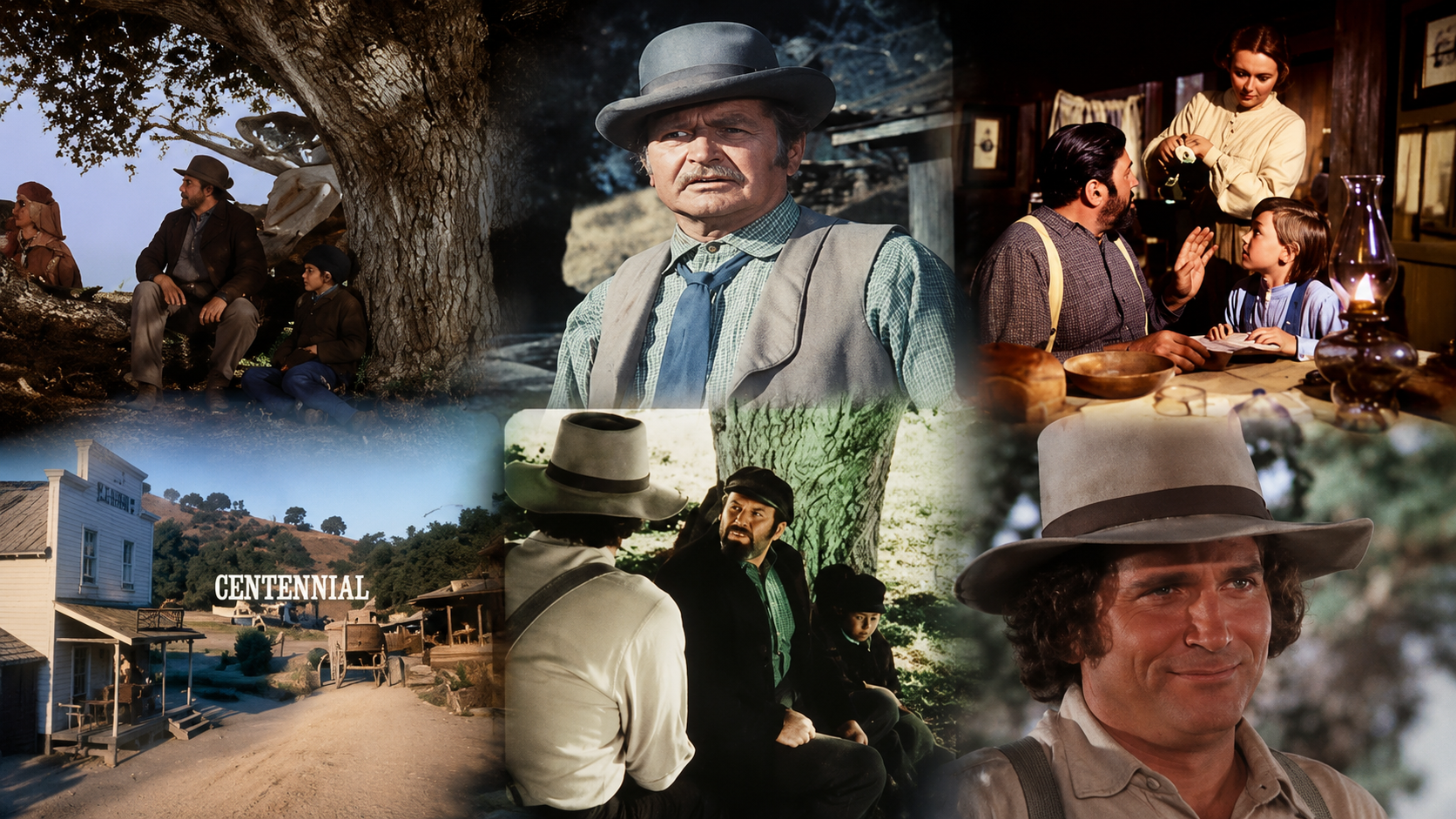
Part 1: A Town Ready to Celebrate
Walnut Grove was getting ready for a special day.
It was the 100th birthday of the United States of America, and everyone in town wanted the celebration to be beautiful.
Flags were being hung from porches.
Children were practicing songs.
The church was preparing a gathering.
Families talked about food, games, music, and speeches.
For a little while, the whole town felt proud and excited.
Charles Ingalls looked around and smiled.
He knew life on the prairie was never easy.
People worked hard every day just to keep food on the table.
But this celebration was different. It was not only about fun.
It was about remembering the freedom their country had been built on.
Laura and Mary were excited too.
They listened as the adults talked about the meaning of Independence Day.
To them, it sounded like the whole town would come together in joy.
But that happiness did not last long.
News arrived that property taxes were going up.
At first, people could hardly believe it.
Many families were already struggling.
Some farmers had poor crops.
Some owed money at the mercantile.
Others feared one more bill could take away everything they had worked for.
Soon, the mood in Walnut Grove changed.
Instead of talking about celebration, people began arguing.
Some said it was wrong to celebrate freedom when the government was taking more money from them.
Others said the town should cancel the event completely.
Mrs. Oleson complained loudly, saying there was no reason to celebrate when people were being treated unfairly.
Other townspeople agreed. They felt angry, tired, and forgotten.
Charles understood their pain. He knew what it meant to worry about money.
He knew what it felt like to wonder if the land you loved might be taken away.
But he also believed the town was forgetting something important.
Freedom was not perfect comfort. Freedom did not mean life would always be easy.
Freedom meant having a chance. A chance to work, to speak, to worship, to raise a family, and to dream.
Still, most people were too upset to listen.
By the end of the day, Walnut Grove no longer looked like a town preparing for celebration. It looked like a town losing hope.
And while everyone argued, one immigrant family quietly watched.
They had come to America with almost nothing.
But they understood freedom better than anyone knew.
Part 2: The Family Who Remembered
The immigrant family lived simply near Walnut Grove.
They did not have much money. Their clothes were plain.
Their home was small. They worked hard every day and never asked for pity.
Some people in town barely noticed them.
Others did not understand them well because they spoke with an accent and had different customs.
But this family carried a story inside them.
Before coming to America, they had lived in a place where freedom was only a dream.
They had seen fear. They had seen people punished for speaking the truth.
They had known what it meant to live under power that did not care about ordinary families.
In their old country, they could work hard and still have nothing.
They could pray and still be watched. They could hope, but their children might never have a better life.
So they left.
The journey to America had not been easy.
They had crossed oceans, faced hunger, and arrived in a strange land with little more than faith.
But when they reached America, they felt something they had never truly felt before.
They felt free.
To them, America was not perfect. It was not rich comfort. It was not an easy road.
It was a chance.
When they heard that Walnut Grove might cancel the centennial celebration, the father of the family could not stay silent.
He stood before the townspeople and spoke from his heart.
He told them that he understood hardship.
He understood taxes.
He understood fear of losing land and money.
But he also reminded them that freedom was not something to throw away because times were hard.
He said many people had suffered so others could live free. Many had fought.
Many had died. Many had left everything behind just to reach a place where their children could grow without fear.
His words made the room quiet.
The townspeople had been so focused on what they were losing that they had forgotten what they still had.
Charles looked at the family with deep respect.
He saw that they had given Walnut Grove a gift greater than money.
They had reminded the town of gratitude.
Laura listened carefully. She began to understand that freedom was not just a word people said in songs or speeches.
It was something real. Something people longed for. Something people sacrificed for.
Slowly, the anger in the town began to soften.
People were still worried. The tax problem had not disappeared. But now they felt ashamed for wanting to cancel a celebration that meant so much.
One by one, neighbors began to help again.
Someone brought fabric for flags. Someone offered food.
Someone promised music. The children practiced their songs once more.
Walnut Grove was still poor.
But it was no longer empty of hope.
Part 3: Freedom Isn’t Free
The day of the centennial celebration finally arrived.
The town looked beautiful.
Flags waved in the breeze.
Tables were filled with homemade food. Children ran through the street with bright smiles.
Families gathered together, not because life was easy, but because they had remembered what the day meant.
Charles stood with Caroline, Mary, Laura, and Carrie.
He looked across Walnut Grove and felt proud.
These people had argued. They had worried.
They had nearly forgotten.
But in the end, they had come together.
The immigrant family stood among them too.
They did not stand apart anymore.
They were part of the town.
Their story had touched every heart.
During the celebration, speeches were made about the country’s 100th birthday.
People spoke about sacrifice, courage, and hope.
They remembered those who had fought for freedom, and they honored those who still worked every day to keep that freedom alive.
Then the children sang.
Their voices were small, but they carried across the whole town. Mothers smiled.
Fathers stood quietly. Even those who had complained before listened with respect.
Laura looked at the immigrant family and understood something she would never forget.
Freedom was not free.
It had been paid for by soldiers, by families, by immigrants, by workers, and by people who refused to give up even when life became hard.
The property tax problem still remained.
The farmers still had worries.
Money was still tight. But something had changed in their hearts.
They were no longer only thinking about what had been taken from them.
They were thinking about what had been given to them.
They had land to work.
Homes to protect. Families to love.
A town that could stand together.
A country where people could start again.
As the celebration ended, the people of Walnut Grove shared food, laughter, and quiet thanks.
The day had not become special because everything was perfect.
It became special because everyone remembered the true meaning of freedom.
Charles looked at his daughters and said gently that people should never forget the cost of liberty.
Laura held those words close.
Years later, she would remember that day not only as America’s 100th birthday, but as the day Walnut Grove learned a powerful lesson.
Hard times can make people bitter.
But gratitude can bring them back together.
And freedom, once understood, becomes something worth protecting with all the heart.


