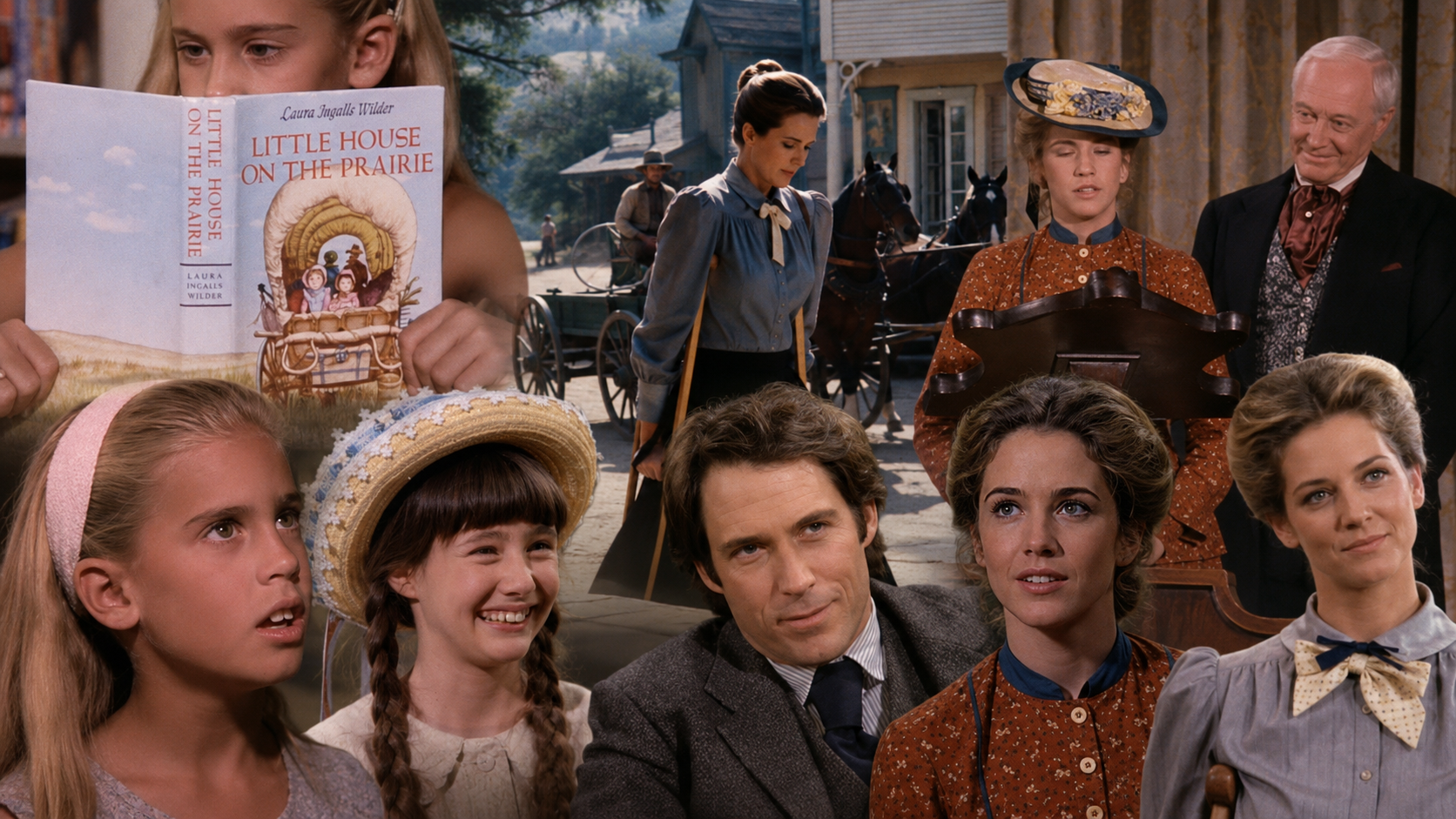
Laura’s Unexpected Opportunity
Life in Walnut Grove had given Laura Ingalls Wilder more memories than she could ever count.
She remembered running across the prairie as a little girl, attending the small schoolhouse, arguing with Nellie Oleson, and learning important lessons from Ma and Pa. Some memories made her laugh. Others still brought tears to her eyes.
Now Laura was grown. She was a wife, a mother, and a teacher. Yet somewhere inside her remained the curious little girl who loved stories.
One evening, after finishing her work at home, Laura sat quietly at the table with paper and ink before her. Almanzo noticed the serious expression on her face.
“What are you writing, Beth?” he asked.
Laura smiled.
“Just a story.”
She had recently heard about a writing competition. The contest invited ordinary people to submit stories about their lives. Laura had never considered herself a professional writer, but she felt inspired to share something from her childhood.
She began writing about Walnut Grove and the people who had shaped her life.
She described the difficulties of growing up on the frontier. She wrote about hard winters, failed crops, simple celebrations, and the strength families found in one another. She also included humorous memories that made Almanzo laugh when she read them aloud.
As the pages grew, Laura became more confident.
Writing allowed her to return to moments she thought she had forgotten. In her mind, she could hear Pa’s fiddle again. She could see Ma working patiently beside the fire. She could remember Mary’s gentle voice and Carrie’s cheerful smile.
Almanzo encouraged her to finish the story.
“You should send it,” he told her. “People might enjoy reading about the life we’ve lived.”
Laura hesitated.
“What if it isn’t good enough?”
Almanzo looked at her warmly.
“It came from your heart. That makes it worth reading.”
With his encouragement, Laura completed her manuscript and mailed it to the contest. Afterward, she tried not to think about it. She continued teaching, caring for Rose, and helping Almanzo with their daily responsibilities.
Weeks passed.
Then one afternoon, a letter arrived.
Laura opened it slowly. Her eyes moved across the page, and suddenly she gasped.
She had won.
Her story had been selected from many entries, and a publishing company wanted to meet her. They believed she had talent and invited her to travel to the city to discuss turning her writing into a book.
Laura could hardly believe what she was reading.
For years, she had thought of herself as a farmer’s daughter, a teacher, a wife, and a mother. Now someone was calling her an author.
The news quickly spread through Walnut Grove.
Her friends congratulated her, and even Harriet Oleson seemed impressed by the idea that someone from their small town might become famous.
Almanzo was proud, but Laura felt nervous.
Traveling to meet professional publishers seemed frightening. She worried that she would appear inexperienced and unsophisticated beside people who understood the world of books.
Still, Almanzo persuaded her not to let fear steal the opportunity.
“You wrote the story,” he reminded her. “All you have to do is be yourself.”
Laura packed her belongings and prepared for the journey.
When she arrived in the city, everything seemed larger and faster than Walnut Grove. Carriages crowded the streets, important-looking people hurried between buildings, and elegant shops displayed things Laura had rarely seen.
At the publishing office, Laura met people who praised her writing. They spoke enthusiastically about selling her book across the country.
At first, Laura was delighted.
Her simple memories might reach readers she would never meet. Perhaps families living far from the prairie would understand the courage and love that had helped people survive there.
But as the discussions continued, Laura noticed something troubling.
The publishers liked her writing, but they did not seem satisfied with the truth.
They wanted more excitement.
They suggested making certain people crueler than they had really been. They wanted small disagreements turned into bitter feuds. They encouraged Laura to exaggerate painful events and make her neighbors appear foolish.
According to them, ordinary truth was not dramatic enough to sell books.
Laura tried to explain that the people in her story were real. They had faults, but they also had dignity. Walnut Grove was not merely a collection of amusing characters. It was her home.
The publishers assured her that changing details was simply part of creating a successful book.
They presented Laura with the possibility of money, recognition, and a new life as a celebrated author.
For a moment, Laura imagined seeing her name printed on the cover of a book. She imagined readers waiting to hear her stories.
But she also pictured the faces of her family and friends.
Could she accept success if it required betraying the people who had trusted and loved her?
That night, alone in her room, Laura stared at the proposed changes to her manuscript.
The opportunity she had dreamed about was becoming something she no longer recognized.
She had traveled to the city believing her story mattered because it was true.
Now she had to decide whether becoming a published author was worth allowing someone else to rewrite her life.
Here is Part 2, continuing Laura’s journey and the difficult choice she must make.
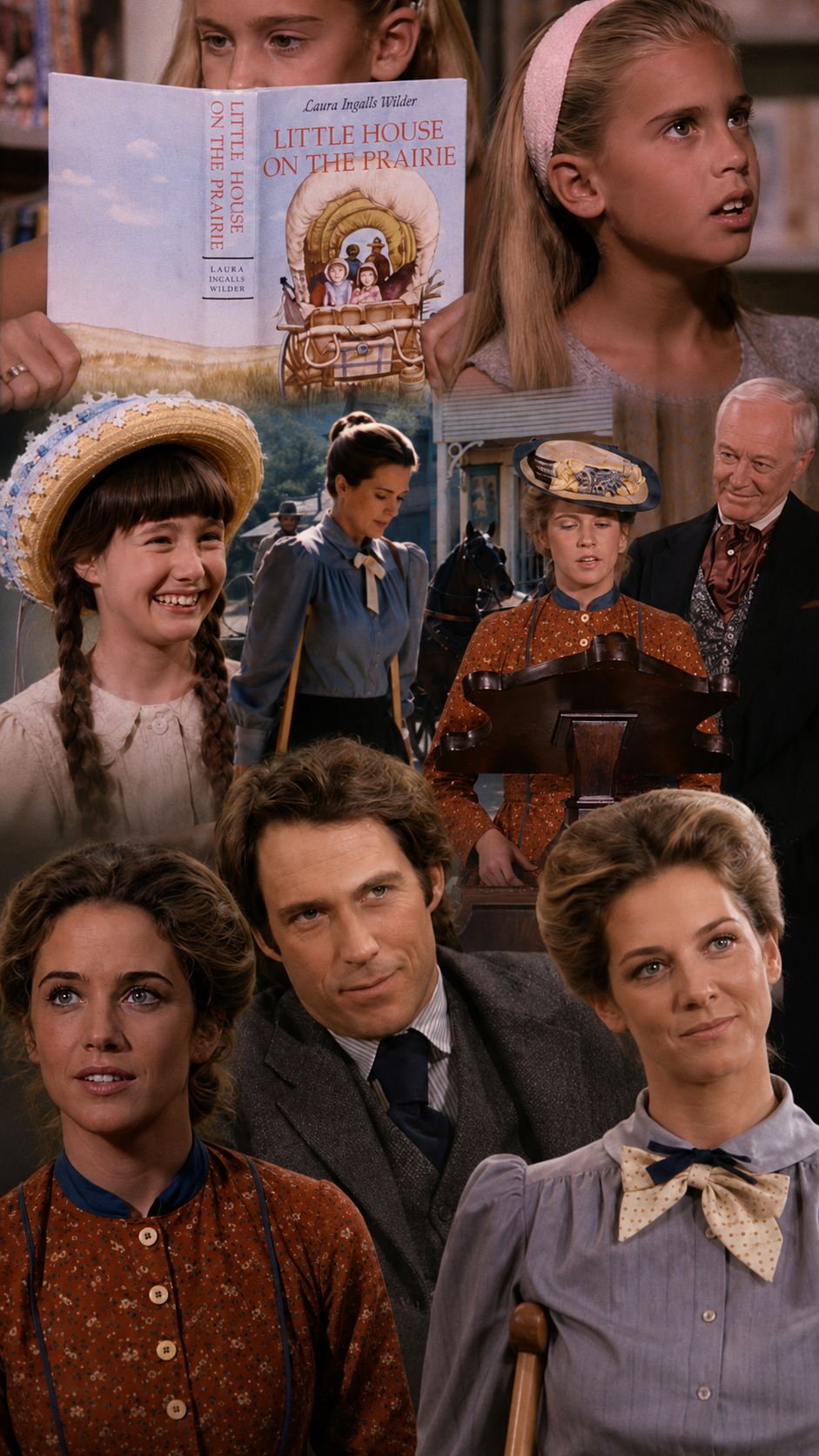
Season 9, Episode 15: “Once Upon a Time”
Part 2: The Story That Truly Mattered
Laura barely slept that night.
The publisher’s suggested changes lay across the desk in front of her. Red marks covered the pages she had written with such care. Names had been changed. Events had been exaggerated. Kind people had been made selfish, foolish, or cruel.
The story no longer felt like hers.
Laura picked up one page and read a passage about a difficult winter in Walnut Grove. In her original version, the neighbors had shared food and helped one another survive. The publisher had changed it into a story of fighting, jealousy, and betrayal.
Laura felt a sharp ache in her heart.
Those people had stood beside her family during some of the hardest days of their lives. They had offered shelter, friendship, and hope when there was almost nothing left to give.
Turning their kindness into scandal felt deeply wrong.
The next morning, Laura returned to the publishing office.
The publishers greeted her warmly. They spoke about advertising, book sales, and public appearances. One man placed a contract in front of her and explained how much money she might earn.
For a moment, Laura stared at the paper.
The money could help her family. It could provide security for Rose. It might even allow Almanzo to improve the farm.
But Laura knew that every dollar would come from a story that was no longer honest.
“I cannot agree to these changes,” she said quietly.
The men looked surprised.
One of them leaned forward and tried to reassure her.
“Mrs. Wilder, readers want excitement. They want conflict. They do not care about every detail being perfectly true.”
Laura looked directly at him.
“But I care.”
The room became silent.
“These are not invented people,” she continued. “They are my family, my neighbors, and my friends. They made mistakes, but they also showed courage and kindness. I will not turn them into something ugly just to sell more books.”
The publisher reminded Laura that this might be her only opportunity.
He told her that many writers would gladly accept such an offer. He warned that if she walked away, another chance might never come.
Laura’s hand rested beside the contract.
She thought about how proud Almanzo had been when she won the contest. She thought about the excitement in Walnut Grove and how everyone believed her memories would finally be shared with the world.
Walking away would disappoint them.
Still, Laura remembered something Pa had taught her when she was young: success meant little if a person had to lose herself to gain it.
Slowly, she pushed the contract back across the desk.
“Then I will walk away.”
The publishers could hardly believe her decision.
Laura gathered her original manuscript and left the office. Outside, the city streets were busy and loud, but she felt strangely peaceful.
She had lost the chance to become famous.
Yet she had protected something far more important.
When Laura returned to Walnut Grove, Almanzo met her with a hopeful smile. He expected good news, but the moment he saw her face, he understood that something had changed.
Laura told him everything.
She explained how the publishers wanted to rewrite her memories and use the people she loved as entertainment. She admitted that refusing the contract had been difficult.
Almanzo listened quietly.
When she finished, Laura lowered her eyes.
“I may have thrown away the only chance I will ever have.”
Almanzo took her hands.
“No, Beth. You kept the part that mattered.”
Laura looked at him.
“Your stories are worth something because they are true,” he said. “You did not betray the people in them, and you did not betray yourself.”
His words brought tears to Laura’s eyes.
Soon, the rest of Walnut Grove learned what had happened. Laura feared that people would be disappointed, but instead, many of them respected her even more.
They understood that she had given up money and recognition to protect their dignity.
That evening, Laura sat again at her table with paper and ink.
For a while, she wondered whether there was any reason to continue writing. The book contract was gone. No publisher was waiting for her next page.
Then Rose came into the room and climbed onto her lap.
“Tell me a story, Mama,” she said.
Laura smiled.
“What kind of story?”
“A story about when you were little.”
Laura looked down at the blank page.
At that moment, she understood.
Stories did not need to make someone famous to have value. They could preserve memories. They could teach children where they came from. They could keep the voices of loved ones alive long after time had carried them away.
Laura dipped her pen into the ink.
She began writing again—not for the publishers in the city, but for Rose, for Almanzo, and for anyone who might someday wonder what life had been like on the prairie.
She wrote about family.
She wrote about struggle.
She wrote about friendship, forgiveness, and the quiet courage of ordinary people.
Years might pass before those stories found their audience. Laura did not know whether they would ever be printed in a book.
But she knew they were honest.
And that was enough.
As the lamp burned softly beside her, Laura continued filling the pages. Outside, Walnut Grove rested beneath the evening sky.
The town was not perfect. Its people were not perfect.
But it was home.
And Laura would tell its story with love.
Not as someone else wanted it to be—
but as she remembered it.
“Once Upon a Time” reminds us that true success is not measured only by fame or money, but by the courage to remain honest and protect the people we love.


