 Part I: The Saloon Rescue and the Shadow of the Past
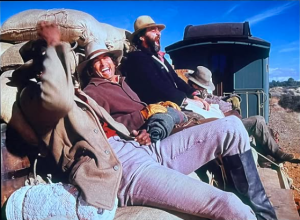
The journey to Mankato was supposed to be a routine supply run for Charles Ingalls, a chance to trade crops for flour, sugar, and ironware. But the dusty, bustling streets of the frontier town held an unexpected and harrowing detour. As Charles hitched his wagon near the mercantile, the unmistakable sounds of shattering glass, shouting, and piano music spilled out from the swinging doors of the local saloon. Drawn by a gut feeling—or perhaps just sheer providence—Charles stepped off the boardwalk and pushed his way through the haze of cigar smoke and spilled whiskey.
There, in the center of the room, was a brawl of epic proportions. And right in the middle of it, swinging wildly and laughing through a bloodied lip, was his dear friend, Isaiah Edwards. The mountain man was heavily intoxicated, a shadow of the rugged, warm-hearted giant Charles had known on the plains.
Charles didn’t hesitate. He waded into the fray, ducking a stray punch, and grabbed Edwards by the shoulders. With a firm grip and a deep voice, Charles managed to pull the disheveled man away from the brawlers and drag him out into the crisp, sobering afternoon air. Isaiah was broke, broken-spirited, and adrift in a sea of alcoholism, drowning the sorrows of a lonely existence. Looking at his friend, Charles knew he couldn’t leave him to rot in a Mankato gutter. With characteristic generosity, Charles offered him a way out: a chance to leave the bottle behind, pack his few belongings, and return to Walnut Grove to start fresh.
The wagon ride back to the little house on the prairie was quiet, filled with the gentle clatter of wooden wheels and the rustle of the wind through the tall grass. By the time they arrived, Mr. Edwards was nursing a severe hangover but carried a newfound glimmer of hope in his eyes.
When they pulled up to the homestead, Caroline and the girls ran out to greet them. Carrie, Mary, and especially Laura were absolutely overjoyed. Laura shared a fierce, unspoken bond with the “wildcat from Tennessee,” viewing him almost as a mythical hero, a kindred spirit who understood her wild, adventurous heart.
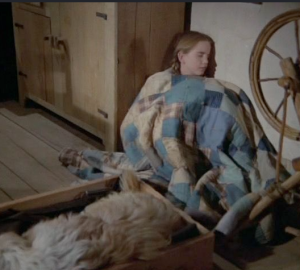
However, the joyous reunion was abruptly halted when Caroline pulled Charles aside. Little Laura was not well. She had been complaining of aches all morning and now lay pale and shivering in her bed, her forehead burning with a terrifyingly high fever.
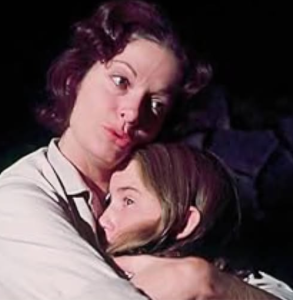
The moment Mr. Edwards stepped into the bedroom and saw the sick little girl, the color drained from his face. The sight of Laura shivering under the heavy quilts triggered a deep, agonizing trauma from his past. With a heavy, trembling voice, he confessed the dark secret that had turned him into a drifting alcoholic: years ago, before he ever met the Ingalls, his first wife and beloved young daughter had contracted Mountain Fever and died in a matter of days. He had turned his back on God, blamed the heavens, and sought solace in the bottom of a whiskey bottle to numb the unbearable grief. Terrified that history was repeating itself, Mr. Edwards refused to leave Laura’s side. He pulled up a chair, picked up a damp cloth, and spent the next several days keeping a relentless, desperate vigil, nursing her with the tenderness of a father until the fever finally broke.
Part II: A New Beginning and Grace Snider
With Laura’s fever officially broken and color returning to her cheeks, the dark cloud hanging over the Ingalls household lifted, replaced by immense relief and laughter. But Mr. Edwards couldn’t remain a permanent guest in the small two-room cabin. To help his friend regain his dignity and sense of purpose, Charles took him to see Lars Hanson, the founder of the town. Thanks to Charles’s vouching, Isaiah secured steady, honest work at the local lumber mill, hauling heavy timbers and breathing in the sharp, clean scent of pine.
With a steady job and a roof over his head, Isaiah began to integrate into the tight-knit community of Walnut Grove. Sensing a softer side beneath the mountain man’s rough, bearded exterior, Caroline Ingalls decided to try her hand at matchmaking. She arranged an introduction between Isaiah and Grace Snider, the town’s widowed postmistress. Grace was a woman of propriety, strong faith, and sharp wit, seemingly the exact opposite of the rugged, unpolished frontiersman. Yet, the moment they met outside the post office, a spark of undeniable chemistry ignited.
Despite their contrasting personalities, the two began a whirlwind courtship. They took long walks along the creek, shared quiet conversations at the Sunday picnics, and found solace in each other’s company. For Isaiah, Grace represented a tether to a normal, settled life that he had long ago given up on. For Grace, Isaiah offered protection, laughter, and a sense of excitement she hadn’t felt since her husband’s passing.
However, their budding romance soon hit a significant roadblock. Grace was deeply devoted to the church and the community, while Isaiah still harbored a bitter, deeply rooted resentment toward the Almighty. When Grace invited him to attend Sunday services with her, Isaiah flatly refused. His unresolved anger over the death of his first family made him allergic to the very idea of stepping inside a house of worship.
Sensing that Isaiah was running from his own heart out of fear of getting hurt again, complications arose. In a clumsy, desperate attempt to make Grace jealous—and perhaps to push her away before he could get too attached—Isaiah engaged in a bit of romantic mischief, pretending to receive a letter from another admirer. Grace, being a woman of immense dignity and perceptiveness, saw right through the ruse. Instead of walking away, she confronted him directly with a mixture of sternness and profound empathy, forcing Isaiah to look in the mirror and confront his own stubbornness and lingering pain.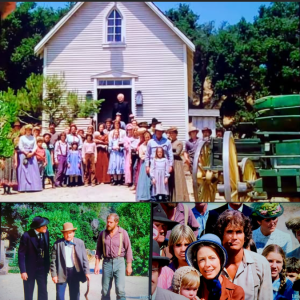
Standing on the porch of the post office, looking into Grace’s patient eyes, the mountain man realized he couldn’t keep running from his past forever. Grace accepted him—scars, flaws, and all—but she challenged him to finally make peace with his faith and let go of his ancient grief.
The following Sunday morning, the congregation of the little church in Walnut Grove bowed their heads in quiet prayer. The wooden doors creaked open, and heavy, hesitant footsteps echoed on the floorboards. Heads turned, and a collective smile spread across the room. There, standing tall in his Sunday best with Grace Snider at his side, was Isaiah Edwards. He took a seat in the pew, bowing his head alongside the Ingalls family. It was not just a visit to church; it was a profound spiritual healing—a true, lasting homecoming for the wildcat from Tennessee.


